

Every year, millions of high school students leave the traditional education system without a diploma, feeling lost and uncertain about their futures. “California College for High School Dropouts: Second Chances” explores the vital opportunities available for these individuals, highlighting programs designed to help them reclaim their educational journeys.
This compelling article delves into the transformative power of community colleges and alternative education pathways, showcasing how they provide essential support, skills, and connections that can change lives. It addresses the concerns of students, parents, educators, and policymakers alike, offering insights into the effectiveness of these programs while fostering a sense of hope and empowerment. As you read on, discover how second chances can pave the way for success and meaningful careers, enlightening those seeking a new beginning.
Understanding the Needs of High School Dropouts
requires a nuanced approach that considers the diverse backgrounds and experiences of these individuals. It’s essential to recognize that dropping out of high school can stem from various factors, including personal circumstances, family responsibilities, learning challenges, or a lack of support in the educational system. Many dropouts feel marginalized or trapped by their past educational choices, leading to a pressing need for alternative pathways that empower them to pursue their goals.
To effectively support high school dropouts, programs must address their unique needs through personalized and flexible learning environments. Offering tailored academic support can help bridge educational gaps. For example, community colleges in California often provide bridge programs that facilitate a smooth transition into higher education, combining basic skills development with college-level coursework. This not only improves academic readiness but also boosts confidence in individuals who may have endured discouraging educational experiences.
Additionally, understanding the psychological and emotional challenges that dropouts face is critical. Many need reassurance that returning to education is a valid choice that can lead to a brighter future. Providing mentorship opportunities or peer support groups can create a sense of belonging and community, which is crucial for motivation. By creating a supportive atmosphere where individuals feel understood and valued, educational programs can enhance retention rates and foster a culture of success.
Incorporating technology in learning can also significantly impact dropouts’ educational experiences. Online and hybrid programs offer the flexibility to learn at their own pace and in their own time, accommodating work and family commitments. By utilizing various learning platforms, institutions can create a customized pathway for each student, ultimately leading to more effective educational outcomes.
The Role of California Colleges in Second Chances

Many individuals who have dropped out of high school carry with them a profound sense of untapped potential, often overshadowed by their past experiences. California colleges recognize this and play a pivotal role in providing second chances for these individuals, helping them navigate a path toward academic and personal success. By offering accessible programs, community support, and flexible learning options, these institutions champion the belief that education is a lifelong journey, rather than a series of missed opportunities.
California’s community colleges, in particular, serve as a welcoming gateway for high school dropouts, offering an array of programs tailored to adult learners. These institutions understand the importance of meeting students where they are, both academically and emotionally. Through innovative initiatives such as bridge programs, students can develop essential skills while earning college credits, setting the stage for future academic endeavors. These programs not only fill educational gaps but also rebuild confidence, proving that a college education is within reach.
Moreover, the role of mentorship cannot be overstated. Many colleges in California facilitate mentorship programs that connect students with experienced educators and successful alumni. This support network fosters a sense of belonging and encouragement, crucial for motivating students to persevere despite their challenges. By providing a safe and inclusive environment, these colleges empower students to share their stories and learn from one another, creating a community where everyone can thrive.
In an era where digital learning is integral, California colleges also offer online and hybrid courses that cater to the diverse needs of non-traditional students. These flexible formats allow individuals to pursue education at their own pace, balancing work and family responsibilities while engaging in meaningful learning experiences. This adaptability not only widens access to education but also instills a sense of autonomy and self-determination, vital for those seeking to redefine their futures. Through these combined efforts, California colleges illuminate the path towards second chances, demonstrating that it is never too late to pursue one’s dreams.
Programs Tailored for Adult Learners
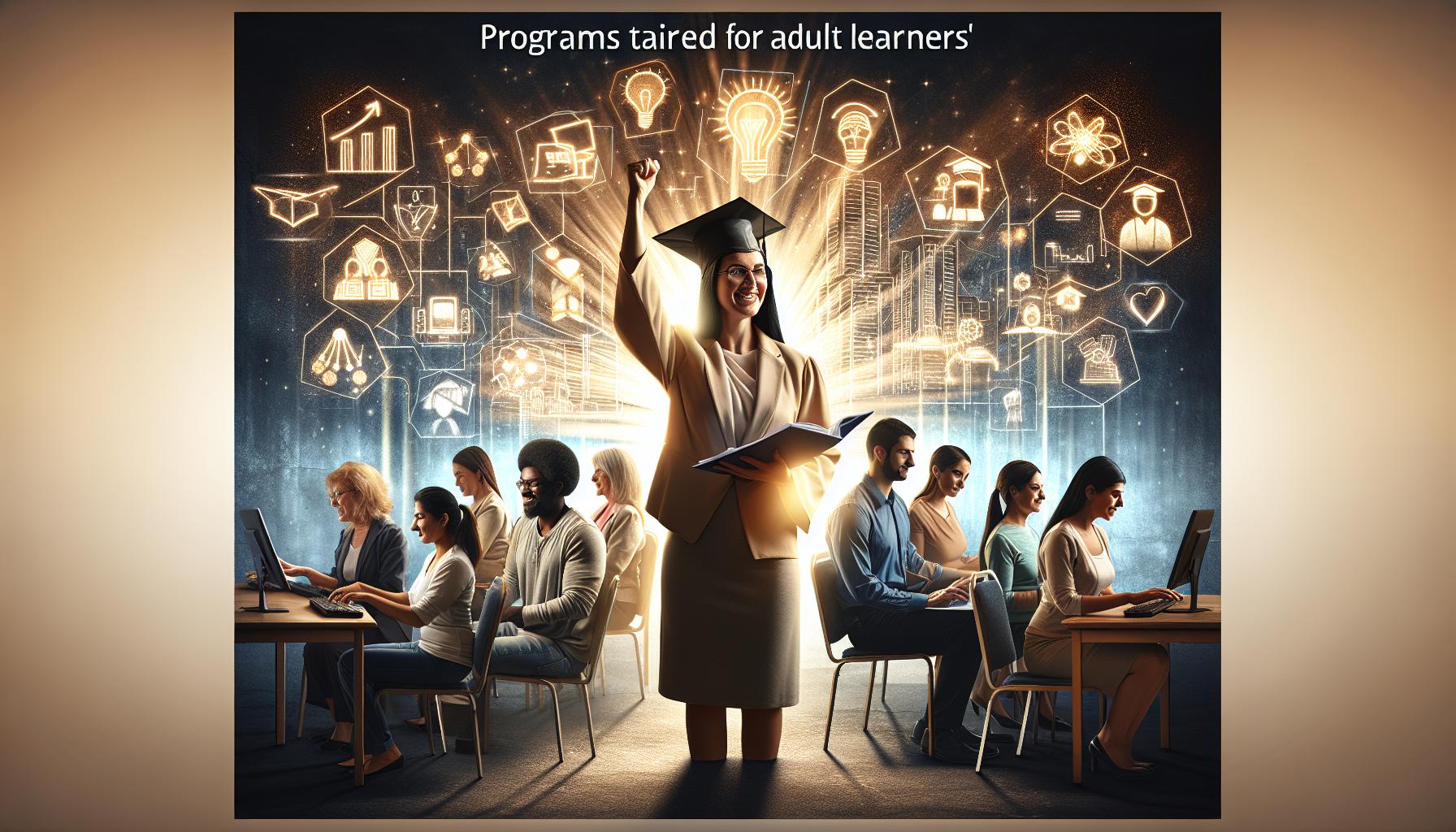
Many adult learners seeking a fresh start in education are often eager for programs that understand their unique life experiences and learning needs. California colleges have designed a variety of initiatives tailored specifically to empower these individuals, ensuring they can pursue their educational aspirations without the barriers typically present in traditional learning environments.
One of the most impactful offerings is the array of bridge programs, which are specifically designed to help students transition back into an academic setting. These programs focus on skill development in essential areas such as math, writing, and study skills, enabling learners to build confidence as they earn college credits. The coursework not only provides a taste of college life but also helps in identifying any gaps in knowledge that may need to be addressed, allowing students to proceed with greater preparedness.
Additionally, California colleges frequently implement supportive counseling services. These services guide students in navigating the educational landscape, from selecting courses to managing personal challenges. Advisers often work with adult learners on creating personalized educational plans, enhancing the overall experience and ensuring relevant and achievable goals. Moreover, many institutions offer workshops that concentrate on career readiness, which can bridge educational paths directly into job opportunities, making the journey toward a degree more practical and aligned with students’ career aspirations.
Participating in community-based projects and internships is another valuable aspect of these programs. They provide students with hands-on experience in real-world settings, fostering skills that are directly applicable to the workforce. For instance, some colleges partner with local businesses to create internship opportunities, allowing learners to gain vital work experience while earning college credit. This not only enriches their resume but also strengthens their professional network, laying a solid foundation for future employment.
In sum, the tailored programs offered by California colleges not only facilitate academic success for adult learners but also foster a holistic approach that considers personal circumstances, professional aspirations, and community connections. These initiatives exemplify how education can serve as a powerful tool for reinvention and growth, reaffirming that a second chance can lead to new opportunities.
Success Stories: Inspiring Transformations

Many have walked the challenging path of returning to education after dropping out, and their stories are powerful testaments to the transformative potential of second chances. One inspiring example is Julie, a single mother who left high school at 16 due to personal struggles. After working various low-paying jobs, she decided to enroll in a community college in California. Utilizing the college’s bridge program, she developed essential skills in math and writing, eventually earning her associate degree. Julie’s perseverance led her to transfer to a state university, where she is now pursuing a degree in education. Her journey illustrates how determination combined with the right support can dramatically change one’s life trajectory.
Another compelling story is that of Marcus, who faced significant obstacles during his teenage years, culminating in dropping out. In his mid-20s, Marcus applied to a California college, drawn by their robust support services for adult learners. Here, he received tailored counseling that helped him identify his strengths and educational goals. Participating in vocational training programs allowed him to gain specific job skills, leading to a well-paying job in a tech firm post-graduation. Marcus now mentors other young adults who face similar challenges, showcasing the ripple effect of empowerment through education.
These narratives exemplify the profound impact that California colleges can have on individuals seeking to redefine their futures. With resources like counseling, bridge programs, and community connections, these institutions provide not just education, but a pathway to a more fulfilling life. Seeing how others have successfully navigated the complexities of returning to school can be incredibly motivating for potential students. It reinforces the idea that past setbacks do not define one’s worth or potential; rather, they can serve as stepping stones toward greater achievements.
Financial Aid Options for Non-Traditional Students
Many individuals attempting to resume their education after dropping out often cite financial concerns as a major barrier. The good news is that California offers a variety of financial aid options specifically designed to support non-traditional students, ensuring that education is accessible regardless of past circumstances. Understanding these resources can empower those looking to redefine their futures through learning.
Types of Financial Aid Available
California colleges provide a range of financial aid options tailored to meet the needs of adult learners:
- Pell Grants: A federal program that offers need-based financial aid, Pell Grants do not require repayment, making them an excellent option for low-income students. Eligibility is determined by your financial situation and can significantly reduce educational costs.
- Cal Grants: Available for California residents, Cal Grants are additional financial aid options that do not need to be repaid. These grants are merit-based, but also consider financial need, providing support for both community colleges and four-year institutions.
- Work-Study Programs: For those looking to offset costs with hands-on experience, California colleges often offer work-study opportunities. This program allows students to work part-time while enrolled, providing valuable job experience and financial relief.
- Loans: While loans require repayment, they can bridge the gap for students who need immediate financial assistance. Federal Direct Loans typically offer lower interest rates and more flexible repayment options than private loans.
- Institutional Aid: Many colleges offer their own scholarships and grants designed to assist non-traditional students. These can be based on a variety of factors, including academic achievement, financial need, or personal circumstances.
Applying for Financial Aid
Navigating the financial aid process can feel intimidating, but taking the following steps can streamline the experience:
- Complete the FAFSA: The Free Application for Federal Student Aid (FAFSA) is the first step toward accessing federal and state financial aid. This application assesses your financial situation to determine eligibility for grants, loans, and work-study.
- Research College-Specific Resources: Visit your prospective college’s financial aid office and website for information on institutional aid, scholarships, and specific programs for non-traditional students. Many colleges have dedicated staff who can assist with this process.
- Prepare Necessary Documents: Be ready to provide documentation such as tax returns, proof of income, and any information related to your family’s financial situation, as these may be required for completed applications.
- Apply Early: Financial aid is often awarded on a first-come, first-served basis. The earlier you complete your applications, the better your chances of receiving aid.
Community Resources and Scholarships
In addition to college-based resources, numerous community organizations and non-profits offer scholarships and grants aimed specifically at adult learners and high school dropouts. Engaging with local adult education organizations or workforce development programs can unveil additional funding opportunities. Many of these organizations not only assist with financial aid but also provide support services, such as career counseling and networking, enhancing your educational journey.
Understanding and navigating the financial aid landscape can transform the educational pursuits of non-traditional students, paving the way for hopeful new beginnings. By utilizing the various options available, those who have faced educational setbacks can find renewed opportunities to achieve their goals and build a better future.
Navigating the Admissions Process: A Step-by-Step Guide
Applying to college can feel like a daunting task, especially for those who have taken time away from formal education. However, California colleges are increasingly committed to helping high school dropouts find their way back into the academic world. Understanding the admissions process can make a significant difference in this journey, providing a clearer path toward achieving educational and personal goals.
To embark on this journey, it’s essential to take a systematic approach to the admissions process. Start by identifying the colleges that align with your educational and career aspirations. Research schools that offer flexible programs for adult learners or second-chance initiatives aimed specifically at individuals who have left high school. Many community colleges, especially in California, provide tailored pathways designed to accommodate returning students, which can include evening classes and online offerings.
Once you have a list of potential colleges, the next step is to understand their admissions requirements. This can vary widely from one institution to another, but most schools will require evidence of prior education, such as a high school diploma or equivalent. If you do not have a diploma, don’t be discouraged; many colleges accept GED certificates or even recognize non-traditional educational experiences. Be sure to check if the college offers programs specifically for individuals without a high school diploma, as some may provide alternative assessment options or bridge programs that help you transition back into an academic environment.
After familiarizing yourself with admission criteria, gather the necessary documentation to complete your application. This typically includes:
- Official transcripts: If you attended any form of schooling after high school, you may need to submit these.
- Application form: This can usually be completed online and will involve standard personal and educational information.
- Personal statement: Many colleges require a brief essay where you can express your educational goals, experiences, and motivations for returning to school. This is an opportunity to share your story and demonstrate your dedication to continuing your education.
- Letters of recommendation: If possible, secure recommendations from community members, employers, or teachers who can speak to your character and potential as a student.
Staying Organized and Following Up
As you assemble your application, keep a detailed checklist and calendar of important deadlines. Submitting all components of your application accurately and on time is critical to retaining eligibility for financial aid and admission. Once your application is submitted, don’t hesitate to follow up. A quick call or email to the admissions office can clarify any outstanding items or questions you might have.
Finally, whether your application is successful or not, remember that setbacks are a part of any journey. If you face challenges, consider exploring alternative pathways, such as enrolling in a local adult education program or community college that may have rolling admissions. These institutions often provide a welcoming environment that recognizes the unique circumstances of adult learners. The key is to remain persistent, utilize available resources, and keep faith in your capabilities to achieve your educational goals. With determination and the right support, many individuals find that a second chance at education leads to personal and professional fulfillment.
Flexible Learning Formats: Evening and Online Classes
In today’s educational landscape, flexibility can be the key to unlocking new opportunities for those who have taken a break from traditional schooling. California colleges understand the diverse needs of students, especially high school dropouts, and many offer evening and online classes that cater to non-traditional learners. These formats not only accommodate varying schedules but also create a more inclusive learning environment where returning students can thrive.
Evening classes are a lifeline for those balancing jobs, family commitments, or other responsibilities. Many community colleges and universities structure their courses to start after typical working hours, allowing students to participate without sacrificing their daytime obligations. This commitment to accessibility enables individuals to advance their education while maintaining their current lifestyle. For example, a parent working during the day can attend classes in the evening, thus minimizing disruption to their family life while pursuing a degree.
Online learning adds another layer of flexibility, allowing students to access course materials and complete assignments from virtually anywhere at any time. This is particularly beneficial for those who may face transportation challenges or health issues that make regular attendance at a physical campus difficult. With the option of asynchronous learning, students can progress at their own pace, balancing coursework with other life commitments. Many platforms include interactive features, such as discussion forums and virtual office hours, fostering a sense of community despite the physical distance.
To maximize the benefits of these flexible learning formats, it’s crucial for students to stay organized and proactive. Here are some practical tips to consider:
- Set a Study Schedule: Dedicate specific times for studying that fit around class times and other commitments.
- Utilize Online Resources: Make use of libraries, tutoring services, and online forums to enhance learning.
- Engage with Instructors: Don’t hesitate to reach out to professors with questions or for guidance to enrich the educational experience.
- Form Study Groups: Connecting with classmates online can provide motivation and support as you navigate your studies together.
Emphasizing flexible learning formats reaffirms the message that education is accessible to everyone. By utilizing available evening and online classes, high school dropouts can pursue their academic goals and reshape their futures in a supportive environment that recognizes their unique journeys. Those who take advantage of these opportunities often find not only academic success but also a renewed sense of purpose and community.
Support Services for Struggling Students
Navigating the path back to education can be daunting, especially for individuals who have faced significant challenges, such as dropping out of high school. However, California colleges actively provide a myriad of support services designed to empower these students and facilitate their success. Recognizing that the needs of each learner are unique, these institutions offer tailored resources that can make a profound difference in a student’s educational journey.
Comprehensive Academic Advising
Students can benefit immensely from academic advising services, where trained advisors guide them through course selection, degree requirements, and the overall educational landscape. These advisors are often well-versed in the specific hurdles faced by non-traditional students and are equipped to recommend appropriate academic resources or support programs. Regular check-ins with an advisor can help maintain motivation and clarify goals, ensuring that students stay on track towards achieving their aspirations.
Tutoring and Learning Centers
Another critical support service is tutoring, which provides additional academic assistance in a wide range of subjects. Many California colleges have established learning centers that offer one-on-one or group tutoring sessions, enabling students to deepen their understanding of course material. These centers often feature peer tutors who understand the challenges faced by returning students and can relate to their experiences, fostering a comfortable environment for seeking help.
Accessible Mental Health Resources
Moreover, addressing mental health is crucial for many students returning to education later in life. Institutions frequently offer counseling services or workshops focusing on stress management, study skills, and life balance. These resources empower students to develop strategies to cope with the pressures of academic life, thereby promoting both their mental well-being and academic performance.
Financial Aid and Scholarships
Financial barriers can also pose significant challenges for non-traditional students. Colleges provide various financial aid resources, including scholarships specifically aimed at adult learners or those returning to education after a hiatus. Students are encouraged to explore grants and loans, as well as work-study programs that can ease their financial burden while they pursue their studies.
The collective impact of these support services cannot be overstated. By creating a network of academic assistance, mental health support, and financial guidance, California colleges are committed to fostering an inclusive and nurturing environment that resonates with those seeking a second chance at education. High school dropouts, now potential students, are empowered to embrace their educational journeys with confidence, knowing they have the tools and support to succeed.
Building Community: Peer Support and Networking
Creating a nurturing community is essential for high school dropouts who are seeking second chances at education. Being part of a supportive network can significantly enhance the experience for non-traditional students, providing resources, motivation, and friendships that contribute to academic success. California colleges recognize this need and actively foster environments where peer support flourishes-creating connections that are vital for anyone re-entering the educational landscape.
One of the most effective ways to build community among students is through organized support groups and peer mentoring programs. These initiatives encourage students to share their struggles and triumphs with others who have walked similar paths. Participants often report feeling less isolated and more understood, which can make a considerable difference in their academic pursuits. Many colleges host regular meet-ups or workshops, allowing students to collaborate on assignments, study together, and discuss their educational goals. This sense of camaraderie is crucial, as it alleviates the pressure of individual performance and emphasizes collaborative growth.
Furthermore, networking opportunities through events and seminars can empower students to connect with those in their fields of interest. Colleges may offer career fairs or informational sessions featuring alumni and industry professionals, providing students not only with insights into potential careers but also a chance to build relationships that could lead to internships or job opportunities. Creating a network of contacts offers practical assistance and reinforces the idea that students are not alone in their journey; there are individuals who have succeeded despite facing similar obstacles.
Building Strong Relationships
The relationships formed within these communities can lead to lifelong friendships and professional connections. Students often find that their peers become their most significant support system. This network can be instrumental during challenging times, providing motivation to persevere when academic life becomes overwhelming. Furthermore, having a strong community can enhance accountability; when students know others are counting on them or are following similar paths, it can inspire greater focus and dedication to their studies.
- Support Groups: Offer a safe space for sharing experiences and coping strategies.
- Peer Mentoring: Create partnerships that foster academic and personal growth.
- Networking Events: Help students connect with industry professionals and alumni.
In essence, cultivating a sense of community and belonging transforms the educational experience for high school dropouts in California colleges. By embracing shared experiences and fostering supportive networks, these institutions not only empower their students to succeed academically but also help them recognize their potential as capable individuals ready to take on new challenges.
Career Pathways Beyond High School Education
California boasts a diverse array of educational pathways that open doors for individuals who may have left high school before completing their diplomas. These paths are not only a second chance at education, but they also serve as a bridge to fulfilling and sustainable careers. For those who have fallen behind, options like community colleges, adult education programs, and vocational training institutes can offer tailored approaches that cater to different lifestyles, learning preferences, and career aspirations.
Many community colleges in California provide robust support for non-traditional learners, often featuring programs designed specifically for high school dropouts. These institutions frequently offer high school equivalency tests, such as the GED, alongside career-focused training that prepares students for in-demand jobs. For instance, programs in healthcare, information technology, and the skilled trades are particularly popular, often leading to well-paying positions without requiring a traditional four-year degree. Moreover, these colleges organize partnerships with local industries, facilitating internships and job placements that directly connect educational achievements with career opportunities.
In addition to these options, various vocational training programs focus on skill-specific courses that lead to certifications in fields like carpentry, plumbing, or culinary arts. These programs not only equip students with recognizable skills but also often come with flexible schedules and hands-on learning experiences that many find more engaging than traditional academic settings. The immediate applicability of what is learned can enhance motivation and retention, making these pathways particularly attractive for those seeking quick reentry into the workforce.
Support does not stop once students enroll; career counseling services are integral to many of these programs, assisting learners in identifying their strengths, setting realistic goals, and navigating the job market. Workshops covering resume writing, interview techniques, and networking skills empower students to present themselves confidently to potential employers. Armed with the right tools and knowledge, graduates of these programs can transform their lives, showcasing how second chances can lead to long-term success and fulfillment.
Empowering Educators: Best Practices for Inclusion
In California, the journey of education is often non-linear, and for many high school dropouts, educators play a crucial role in facilitating second chances. A supportive and inclusive environment not only helps these learners reintegrate into education but also fosters their personal and professional growth. Recognizing the unique challenges faced by non-traditional students and adopting best practices for inclusion can create a transformative experience that enables them to thrive.
Emphasizing Empathy and Understanding
To empower educators in this mission, it is essential to adopt an empathetic approach that acknowledges the backgrounds and experiences of high school dropouts. Many return to education after facing significant life challenges, whether due to socio-economic pressures, family responsibilities, or previous educational experiences that may have discouraged them. Educators should strive to establish relationships built on trust and understanding, creating safe spaces for students to express their thoughts and emotions. This can be achieved through:
- Active listening during class and one-on-one interactions to foster open communication.
- Implementing restorative practices that encourage dialogue and conflict resolution.
- Providing a non-judgmental atmosphere where students feel valued and heard.
Diverse Teaching Strategies for Varied Learning Styles
Recognizing that students come from diverse educational backgrounds means that teaching methodologies must be equally varied. Many adult learners thrive in practical, hands-on learning environments that connect educational concepts to real-world applications. Educators can implement different strategies to engage these students effectively:
- Utilizing project-based learning that allows students to collaborate on meaningful tasks.
- Integrating technology by using online resources and interactive platforms to complement traditional teaching.
- Incorporating visual aids, group discussions, and workshops to cater to multiple learning styles.
Educators can also encourage peer-to-peer learning; establishing study groups or mentorship programs connects experienced learners with newcomers, fostering a sense of community and support.
Ongoing Professional Development and Resource Accessibility
Empowering educators involves ensuring they have access to ongoing professional development that focuses on inclusivity and supporting non-traditional students. This can include workshops on trauma-informed teaching practices, culturally responsive curriculum design, and resources dedicated to understanding the complexities of adult education. Additionally, schools and colleges should equip teachers with tools to help identify students facing particular challenges, enabling them to provide timely and tailored support.
By embracing these strategies, educators not only enhance the learning experience for high school dropouts but also contribute to a more inclusive educational landscape in California. This transformative environment is foundational for learners to shed labels of their past and realize their potential, encouraging a cycle of success that extends beyond the classroom. Both educators and students are vital parts of this journey, thriving together in an atmosphere of growth and opportunity.
Long-Term Impact: How Second Chances Change Lives
The transformation that comes with second chances is not just a momentary shift; it creates lasting ripples that can alter the trajectories of lives once deemed as though they had closed off educational avenues. For many high school dropouts, returning to school in California not only opens doors to academic achievement but also ignites a profound personal metamorphosis. The ability to pursue education in supportive environments, particularly at community colleges and adult education programs, cultivates not just knowledge but enhances self-esteem and instills a renewed sense of purpose.
Successful re-engagement in education often leads to improved employment opportunities. Research indicates that individuals with higher educational attainment tend to experience lower rates of unemployment and can earn significantly higher wages over their lifetimes. According to studies, those who attain at least an associate degree can earn approximately 40% more than those with only a high school diploma. This economic uplift fosters not just personal prosperity but contributes to broader community health and vibrancy.
Inspiring Educational Pathways
The stories of those who have navigated their way back to education serve as powerful testimonials to the immense potential for change through second chances. Take, for instance, the experience of Maria, a young mother who dropped out to support her family. After enrolling in a local community college program designed for adult learners, she not only completed her degree but also secured a job as a registered nurse. Her journey underscores the importance of tailored educational pathways that accommodate the unique circumstances faced by adult learners, included flexible schedules and support services.
- Increased Advocacy and Networking: Beyond employment, other significant benefits emerge. Many adult learners become advocates for their communities, encouraging others in similar situations to pursue education, thereby fostering a supportive network.
- Resilience and Life Skills: Participants in second-chance programs often report enhanced life skills, including resilience, time management, and self-advocacy-skills that are indispensable not just for academics but in navigating life’s various hurdles.
This evolution is about much more than acquiring a degree; it’s a holistic transformation that reinstills belief in one’s capabilities and worth. By addressing the educational needs of dropouts, California’s colleges and adult education programs champion a culture of inclusivity and empowerment. The lasting impacts of these second chances resonate through families and communities, breeding environments where educational challenges are met with robust support rather than isolation.
Ultimately, each success story serves as a reminder that educational journeys are not always linear; they are filled with detours and challenges that can lead to profound personal growth and community revitalization. In navigating these second chances, individuals can reshape their futures and inspire others to embrace their potential as well.
Frequently asked questions
Q: What programs are available at the California College for High School Dropouts: Second Chances?
A: The California College for High School Dropouts offers various programs, including GED preparation, adult high school diplomas, and vocational training. These programs are designed to help students gain essential credentials and skills, paving the way for higher education or improved job opportunities. Explore more about the available programs here.
Q: How can high school dropouts enroll in California College for High School Dropouts?
A: High school dropouts can enroll by visiting the college’s official website, filling out an application form, and attending an orientation session. Financial aid options are also available to assist students with tuition and related costs. Check the enrollment process here.
Q: Why is the California College for High School Dropouts important for second chances?
A: This college provides a vital opportunity for individuals who have left the traditional education system. It empowers students to complete their education, gain vocational skills, and pursue new career paths, fostering a sense of achievement and a brighter future.
Q: What financial aid options are available for students at California College for High School Dropouts?
A: Students may access various financial aid programs, including federal grants, scholarships, and state assistance. Completing the FAFSA is a crucial first step to determine eligibility. Learn more about financial aid options here.
Q: What support services does the California College for High School Dropouts offer?
A: The college offers several support services, including academic advising, tutoring, career counseling, and mental health services. These resources are designed to help students succeed academically and personally. For a more detailed breakdown, visit our support services page here.
Q: How long does it take to complete programs at California College for High School Dropouts?
A: The completion time varies by program; GED prep can take a few months, while a full high school diploma may take up to two years. Vocational programs typically range from a few weeks to several months, depending on the field. Consult the program specifications for more information here.
Q: Are online classes available for dropouts at California College for High School Dropouts?
A: Yes, the college offers online classes for various programs, allowing students to learn at their own pace while balancing work or family commitments. Online education options provide flexibility and accessibility to all learners. Learn more about online classes here.
Q: Can high school dropouts receive counseling at California College for High School Dropouts?
A: Yes, the college provides counseling services to support emotional well-being and academic success. Students can access one-on-one sessions to discuss challenges and develop strategies for personal and educational growth. Discover more about counseling options here.
Future Outlook
As we wrap up our discussion on the “California College for High School Dropouts: Second Chances,” it’s clear that opportunities abound for those seeking to reclaim their educational journey. Remember, pursuing your diploma or accessing higher education isn’t just a dream; it’s a viable pathway to a brighter future, equipped with the tools and support necessary for success. The verified success stories from fellow dropouts underscore that it’s never too late to learn and grow.
Feeling inspired? Don’t wait to take that first step! Explore our resources for adult learners, discover our latest blog posts on education alternatives, or sign up for our newsletter for ongoing support and insights. You have the power to shape your own destiny, and we’re here to help you every step of the way. Share your thoughts or experiences in the comments below, and connect with a community that’s ready to cheer you on. Your second chance awaits-embrace it today!
Get our latest guides, news, and insights highlighted in your Google Search & AI Overviews.