


Did you know that nearly 1 in 5 students in the U.S. does not graduate high school on time? This statistic highlights the urgent need for alternative programs that effectively support high school dropouts. For many young people, the traditional educational track isn’t the best fit, often leading to feelings of frustration and failure. However, alternative programs can provide a new path-offering personalized education, skill development, and the chance to earn a diploma or equivalent certification.
If you’re looking for ways to redefine your future or help someone you care about find their footing again, exploring alternative options could be a transformative step. These programs are designed not only to meet educational needs but also to empower individuals by fostering self-confidence and resilience. As you read on, you’ll discover various programs available in your area that can guide you or a loved one toward a successful and fulfilling life. Don’t let past challenges dictate your future; there are opportunities waiting to be unlocked.
Alternative Pathways for High School Dropouts
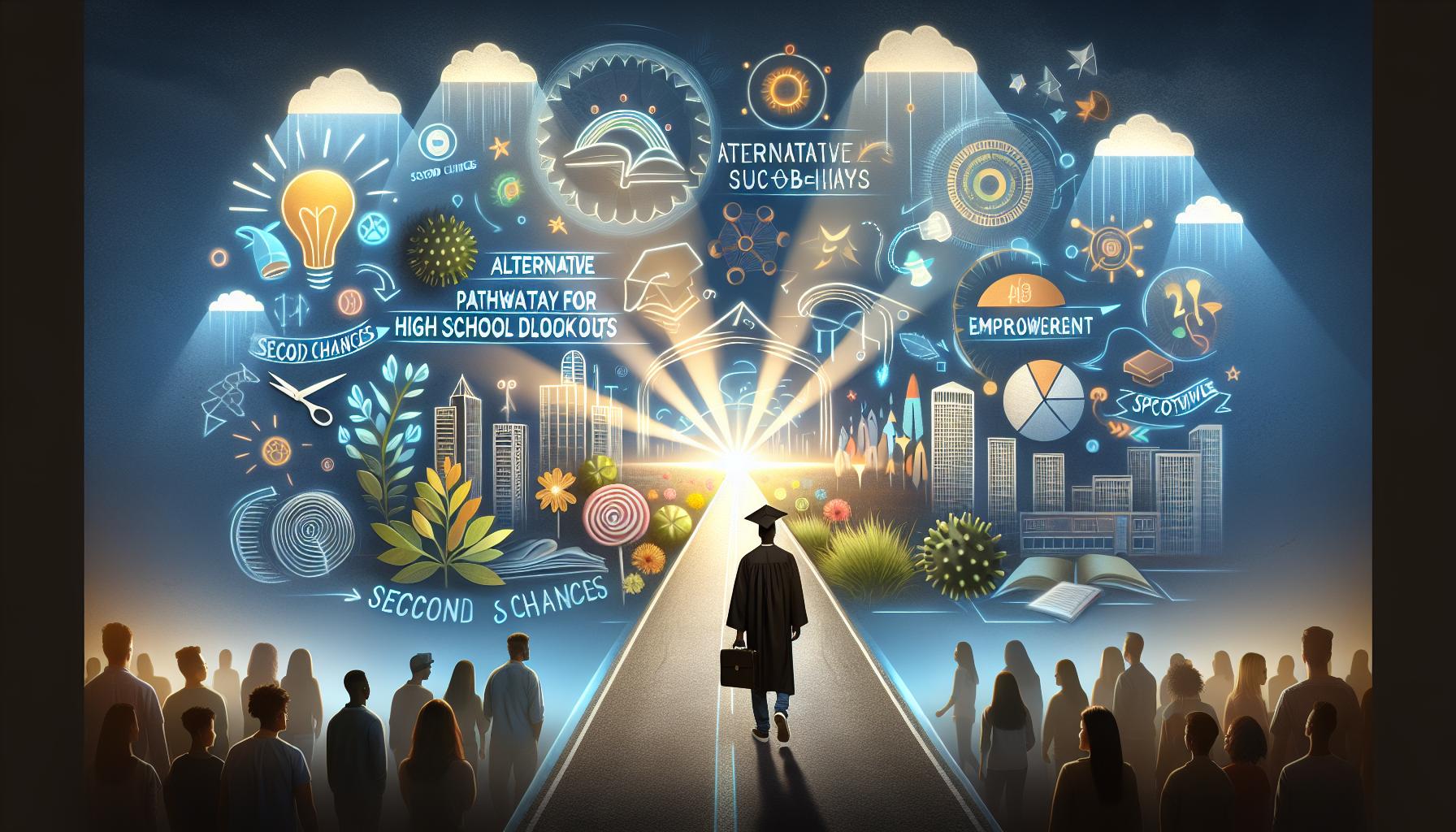
Many individuals who leave high school before graduating may feel lost or uncertain about their future, but there are numerous paths to success available for these students. Alternative education programs have emerged as vital resources, offering tailored approaches designed to meet the unique needs of high school dropouts. These programs enable students to pursue their education in flexible environments that focus on personal growth, academic achievement, and practical life skills.
One prominent model is the Discovery ChalleNGe Academy, which recognizes the potential in each cadet and aims to support them in successfully transitioning to adulthood through a structured curriculum that reinforces key competencies (such as discipline and teamwork) while addressing their individual circumstances. In addition, organizations like Graduation Alliance provide a holistic support system that includes academic assistance, social-emotional counseling, and career planning, ensuring students have the resources needed to complete their high school education and prepare for life beyond the classroom.
Among the various types of alternative programs available, options can range from online schooling and GED programs to specialized charter schools and mentorship programs. These alternatives cater to diverse learning styles and personal situations, allowing students to select the pathway that aligns best with their goals and needs. It is essential for those considering these options to conduct thorough research and evaluate which program fits their lifestyle, offering the flexibility and support necessary for successful re-entry into education.
Ultimately, taking advantage of these alternative pathways can empower high school dropouts to regain their educational footing and build a promising future. Through perseverance and the right support, students can transform their experiences into triumphs, setting the stage for lifelong success.
Understanding Alternative Education Programs

Many high school dropouts initially feel unsure about their ability to continue their education, but a wealth of alternative education programs exists, specifically designed to provide customized support and pathways to success. These programs often break away from traditional education structures in ways that can better accommodate individual circumstances, learning styles, and life challenges. By offering more flexible learning environments-a crucial factor that can motivate students-alternative education fosters a sense of belonging and purpose, empowering participants to reach their full potential.
Alternative education programs can take many forms, including online schools, adult education classes, and specialized charter schools that focus on specific interests or learning strategies. They often provide smaller class sizes, which can lead to increased individual attention from instructors and a stronger supportive community, all of which can be pivotal for students who may have struggled in larger traditional schools. Programs such as the Discovery ChalleNGe Academy emphasize creating a structured environment that promotes not only academic learning but also life skills like teamwork, discipline, and personal responsibility. These aspects are essential for navigating an increasingly complex world outside of the educational system.
Prospective students must consider various factors when exploring alternative education options. Understanding the educational philosophy of a program, the types of credentials offered (such as diplomas or GEDs), and available support services, including counseling and career planning, can make for a more informed choice. Many programs foster connections with local businesses and communities, facilitating internships and job placements that can bridge the gap between education and career readiness. This real-world connection is vital for motivating students who may feel disengaged from traditional academic paths.
Ultimately, embracing alternative education programs can pave the way for high school dropouts to re-engage with their education on their terms, transforming their lives. It’s important to recognize that each student’s journey is unique; what matters most is the determination to pursue a path that resonates personally. By leveraging the resources available in alternative education, students can reclaim control over their futures, foster meaningful achievements, and build a foundation for lifelong success.
Benefits of Alternative Programs for Dropouts

Many individuals who leave high school without a diploma often feel lost, but alternative education programs are redefining the pathways to success for these students. These programs come with a suite of benefits tailored to meet the unique needs of dropouts, helping them navigate obstacles and regain confidence in their educational journey. One of the most significant advantages is the customized learning environment that these programs offer. By providing smaller class sizes, students receive individualized attention, which can be crucial for addressing specific learning challenges and fostering a supportive atmosphere where they feel valued.
Another important benefit of alternative programs is the focus on practical skills and real-world applications. Many of these educational environments integrate programs that emphasize not only academic knowledge but also life skills such as financial literacy, problem-solving, and teamwork. For instance, schools like the Discovery ChalleNGe Academy create structured settings that prepare students for successful futures by emphasizing discipline and personal responsibility. This holistic approach ensures that students are not just learning content, but also developing the capabilities they need to thrive outside the classroom.
Alternative education programs also tend to offer flexible schedules, allowing students to balance their educational pursuits with work or family commitments. This adaptability can make a significant difference for those juggling multiple responsibilities, reducing the likelihood of further dropout due to life’s demands. Moreover, many programs facilitate connections with local businesses, providing internships and job placement opportunities that enhance career readiness and help students transition smoothly into the workforce.
Lastly, the community aspect of alternative education cannot be overstated. Many programs foster a sense of belonging among participants, which is vital for students who may have felt isolated in traditional school settings. Engaging with peers who share similar experiences can boost morale and motivation, ultimately leading to higher success rates. Through mentorship and counseling services, students are supported in overcoming personal barriers, ensuring they are equipped to pursue their educational goals with renewed enthusiasm.
In summary, alternative education programs serve as a lifeline for high school dropouts, offering various tailored benefits that foster personal and academic growth. By focusing on individualized learning, practical life skills, flexible scheduling, and community support, these programs empower students to reclaim their educational journeys and build a brighter future.
Types of Alternative High School Programs Available
Alternative education programs are diverse and tailored to meet the needs of students who may have found traditional school settings challenging. These programs range from academic initiatives focused on flexible learning environments to those that incorporate life skills and vocational training, empowering students to reclaim their educational journeys. Understanding the various types of alternative high school programs is crucial for identifying the path that suits individual needs.
General Educational Development (GED) Programs
These programs prepare students to take the GED tests, which serve as a high school equivalency credential. GED programs often focus on the four main subjects covered in the tests-Mathematics, Science, Language Arts, and Social Studies. As students work through these subjects, they also develop critical thinking and test-taking skills. Many community colleges and adult education centers offer GED programs, providing a structured environment with experienced instructors to support students.
Online High School Programs
Increasingly popular, online programs allow students to complete their high school education at their own pace from home. These programs typically offer a flexible curriculum that can be adjusted based on the student’s unique learning style and schedule. Online high schools often include a blend of synchronous and asynchronous learning options, providing access to a wide range of resources and support networks. This setting is particularly beneficial for students balancing work or family commitments, as it allows for greater control over their educational timelines.
Vocational and Technical Education Programs
Vocational programs combine academic learning with career-focused training, preparing students for immediate entry into the workforce. These programs often partner with local businesses, allowing students to gain hands-on experience through internships or apprenticeships. By learning practical skills in fields like healthcare, technology, or culinary arts, students not only earn their diplomas but also build portfolios that showcase their competencies to future employers.
Military Schools and Youth Challenge Programs
Programs like the National Guard Youth Challenge emphasize discipline, physical fitness, and leadership skills through a structured environment. These quasi-military programs motivate participants by instilling a sense of personal responsibility and teamwork. Ideal for students needing increased structure and support, these programs focus on academic success as well as character development.
Community-Based Learning Programs
Community organizations often offer alternative education programs that cater to local youth in need of a different educational experience. These initiatives may include mentorship opportunities, arts and culture programs, or specialized academic classes that incorporate social-emotional learning. By fostering connections with mentors and peers, such programs provide invaluable support systems, encouraging students to persist in their educational goals.
By exploring these various types of alternative high school programs, students can find a tailored pathway that addresses their unique needs and sets them on a course toward success. Each program provides an opportunity to redefine what education means, emphasizing personal growth and readiness for the challenges of life beyond high school.
How to Choose the Right Program for You
Choosing the right educational program can be one of the most significant decisions in your journey to reclaiming your high school diploma or equivalency. With numerous options available, it’s essential to evaluate which pathway aligns best with your personal needs, goals, and circumstances. A tailored approach to selecting an alternative program not only empowers you but also enhances your chances of achieving educational success and preparing for future opportunities.
When contemplating an alternative education program, consider your unique learning style and personal commitments. For example, if you thrive in self-directed environments, online high school programs may offer the flexibility you need to juggle work or family responsibilities while completing your studies at your own pace. Conversely, if you require more structure and direct support, vocational programs or community-based learning initiatives often provide hands-on learning experiences and mentorship that can guide you. It’s crucial to reflect on what has worked best for you in the past and apply that insight to your decision-making process.
Furthermore, it is beneficial to assess the resources each program offers. Look for programs that provide ample support services, such as counseling, mentorship, and academic guidance. These elements might be vital in overcoming challenges and successfully transitioning back into education. You may also want to consider programs that incorporate social-emotional learning, which can help you develop resilience and coping strategies as you navigate your educational journey.
Finally, explore the success rates and alumni testimonials of the programs you are considering. Success stories from former students can provide valuable insights into what you might expect and the potential outcomes. Many graduates happily share their experiences online, highlighting how specific programs helped them not only achieve their diplomas but also build meaningful careers afterward. By weighing these factors carefully, you can select the right alternative education program that fosters your growth and sets you on a rewarding path to success.
Success Stories: Inspiring Experiences from Alumni
Many individuals who face the challenge of dropping out of high school find new purpose and direction through alternative education programs. These programs cater specifically to students who have faced barriers in traditional settings, enabling them to gain not only their diplomas but also the skills necessary for successful futures. Success stories from alumni illuminate the transformative power of these alternative pathways, revealing how adversity can be turned into achievement.
Take, for instance, the journey of Maria, a high school dropout who felt overwhelmed by personal challenges and a lack of support in her previous school. After joining an alternative program focused on personalized learning and mentorship, Maria discovered her passion for graphic design. With the guidance of supportive educators and hands-on projects, she not only completed her diploma but also built a portfolio that later secured her a place in a prestigious design school. Maria’s experience highlights the importance of a nurturing environment that acknowledges individual needs and promotes growth.
Similarly, James, a single father, sought an alternative pathway that balanced education with his parental responsibilities. He enrolled in an online program that allowed him to study at his own pace while caring for his young child. The flexibility of this program meant that James could manage his dual roles effectively. His dedication paid off when he graduated and later transitioned into a job in web development, demonstrating that alternative education can cater to non-traditional students and lead them to fulfilling careers.
These narratives are not just exceptions; they represent a growing trend in alternative education where many alumni report enhanced self-esteem, skill development, and career readiness. Through programs designed to address the unique needs of at-risk youth, students are not only completing their education but also paving their paths to success in various fields. As aspiring students learn from their predecessors, the message is clear: with determination and the right support, reclaiming an educational future is indeed possible.
Financial Aid and Scholarships for Dropouts
Financial support plays a crucial role in the journey of high school dropouts seeking alternative education paths. Many potential students may not realize that numerous financial aid options and scholarships exist specifically aimed at helping them succeed. By tapping into these resources, individuals can overcome financial barriers that may have previously hindered their educational aspirations.
One key resource is the Life Scholar Project, which provides scholarships up to $1000 for students enrolled in state-accredited trade schools, junior colleges, or universities. This program focuses on at-risk and non-traditional students, providing essential support and mentorship to guide them towards achieving their educational goals. Additionally, the Alternative Education Scholarship is designed for high school seniors who have faced challenges such as being in foster care or experiencing homelessness. This scholarship offers financial assistance for a range of post-secondary options, including vocational and technical schools, thereby expanding access to education for those who may otherwise feel excluded.
Steps to Secure Financial Aid
To maximize your chances of receiving financial aid, consider the following steps:
- Research Available Scholarships: Start by exploring various scholarship options tailored for non-traditional students. Websites like BigFuture offer a comprehensive scholarship search tailored to individual circumstances.
- Prepare Documentation: Gather necessary documents such as proof of prior education, income statements, and letters of recommendation, as many scholarships require detailed applications.
- Reach Out for Guidance: Don’t hesitate to contact mentors or educational counselors who can provide assistance in navigating scholarship applications and identifying the best opportunities for funding.
- Apply Broadly: Don’t limit yourself to one or two scholarships; apply to multiple opportunities to increase your chances of success.
The combination of scholarships and other forms of financial aid can significantly reduce the burden of educational expenses, enabling dropouts to pursue the skills and credentials they need to thrive. By leveraging available resources, aspiring students can open new doors to a brighter future and reclaim their educational journey with confidence.
Overcoming Barriers to Re-Entry into Education
Returning to education after dropping out can feel overwhelming, but many individuals find success by addressing the barriers that might stand in their way. One of the most common hurdles is fear. Many who leave school early often carry feelings of shame or inadequacy, believing themselves to be incapable of completing their education. It’s vital to recognize that these feelings are not a reflection of ability but rather a response to past experiences. Acknowledging this is the first step toward rebuilding confidence and motivation.
Another significant barrier is the lack of access to supportive resources. Many alternative education programs offer tailored support, such as mentorship, counseling, and flexible schedules that accommodate personal circumstances. Students can thrive in environments that actively acknowledge and incorporate their unique challenges and strengths. Finding programs that emphasize small class sizes, personalized instruction, and life skills training can create an empowering educational experience.
For many, logistical issues like transportation, childcare, or job responsibilities present further challenges. It’s crucial to seek local community resources that can provide assistance with these practical concerns. Many schools partner with local organizations to offer transportation services or childcare solutions during school hours. Additionally, government programs and charities may help with transportation costs, making a significant difference in a student’s ability to attend classes consistently.
As you consider re-entering education, remember to take it one step at a time. Set realistic goals, seek support from peers and mentors, and embrace the journey ahead. Recognizing that setbacks may happen along the way, maintaining a growth mindset will enable you to navigate challenges more effectively. Many individuals who once faced barriers are now thriving alumni of alternative education programs, proving that resilience and determination can lead to success.
Navigating the Transition: What to Expect
Re-entering the educational system after a period away can be both an exciting and daunting experience. As you transition into an alternative education program, it’s essential to be prepared for the changes that lie ahead. Many students find that these programs are designed with flexibility and support in mind, making the path to graduation more accommodating than traditional high schools. You may encounter instructors and staff who are particularly attuned to your unique challenges and strengths, creating a positive atmosphere that fosters growth.
To help you acclimate, it’s helpful to approach this new chapter with an open mindset. Expect to engage in personalized learning that often incorporates hands-on activities and real-world applications. The structure of these programs varies widely; some adopt a military-style environment, focusing on discipline and teamwork, while others may emphasize project-based learning and life skills. Understanding the specific teaching methods and curriculum of your chosen program can give you a clearer idea of what to expect day-to-day.
Additionally, it’s crucial to establish a support network within your new educational community. Engage with fellow students who share similar experiences; forming these connections not only enhances your social support but can also drive you towards accountability and mutual encouragement. Many alternative programs actively encourage mentorship opportunities, where you can receive guidance from both peers and educators. This aspect of community is invaluable during your journey, as it can provide a sense of belonging and motivation.
Ultimately, preparing for the transition involves recognizing that it will take time to adjust. Be patient with yourself as you navigate this process, and remember that setbacks are a natural part of learning. Strive to maintain a positive outlook, setting manageable goals and celebrating your achievements, no matter how small. Your determination and resilience can lead to success, proving that education is a continuous journey rather than a destination.
Community Resources for High School Dropouts
Accessing educational resources can significantly impact your journey as a high school dropout seeking alternative pathways. Many communities offer a variety of programs and services specifically designed to support students in your situation, making it easier to transition back into education and set yourself up for success. These resources are not only aimed at addressing your academic needs but also help with personal development, career aspirations, and emotional well-being.
Types of Community Resources
You might find a wealth of community resources, including:
- Local Non-Profits and Organizations: Many organizations focus on educational support for dropouts, providing tutoring, mentorship programs, and workshops that equip you with essential skills.
- Job Training Programs: These programs often partner with local businesses to offer vocational training and internships, helping you gain work experience while continuing your education.
- Counseling and Mental Health Services: Accessing mental health resources can play a crucial role in overcoming personal challenges and building resilience as you navigate your educational journey.
- Community Colleges and Adult Education Centers: These institutions typically offer flexible schedules, enabling you to pursue your high school equivalency diploma or learn new skills at your own pace.
- Online Resources: Numerous platforms offer free educational materials and courses. Websites dedicated to adult education often have resources tailored to your specific learning needs.
Connecting with these resources can not only accelerate your return to education but also provide a nurturing community that recognizes your potential. For instance, some local non-profits offer group sessions where you can interact with peers who share similar experiences, fostering a sense of belonging and motivating you to push through obstacles together.
Taking Advantage of Local Opportunities
When seeking community resources, starting with local public libraries or community centers can provide valuable information on what’s available in your area. These facilities often have bulletin boards or staff who can guide you toward relevant programs. Additionally, reaching out to school district offices can provide insights into specific alternative education programs and their associated resources.
In navigating your path, remember that taking the first step-whether it’s reaching out for help or enrolling in a program-demonstrates courage and commitment to your future. The support and resources available in your community are designed to empower you through your educational journey, providing a robust safety net as you explore your options and redefine your path to success.
Preparing for Life After Alternative Education
Successfully transitioning from an alternative education program to life beyond it is a significant milestone that can lead to new opportunities and independence. As you prepare for this next chapter, it’s essential to focus not only on the academic achievements you’ve accomplished but also on the skills and experiences that will help you navigate adulthood. Many graduates from alternative programs find themselves in a unique position to access resources and networks that can accelerate their journey toward personal and professional success.
One of the most crucial aspects of is setting tangible goals. Consider what you want to achieve in the short-term and long-term, whether it’s pursuing higher education, entering the workforce, or developing vocational skills. Creating a roadmap with measurable objectives can provide clarity and motivation. Don’t hesitate to reach out to mentors or career advisors who can offer valuable insights, as they can assist you in identifying opportunities aligned with your interests and strengths.
Another vital area to address is personal finance management. Understanding budgeting, saving, and financial planning can significantly influence your long-term stability. Many community resources offer workshops designed to teach financial literacy ranging from basic budgeting techniques to investment strategies. By acquiring these skills, you can build a solid foundation that supports your aspirations for independence and security.
Additionally, nurturing a supportive network is essential for ongoing growth and resilience. Whether it’s family, friends, or peers from your program, maintaining connections with those who encourage and inspire you can help you navigate the inevitable challenges that arise. Consider participating in local community groups or ongoing educational programs that focus on networking and mentorship; these relationships often lead to collaborative opportunities and sustained support as you strive to achieve your goals.
Ultimately, the transition from alternative education marks an exciting new chapter filled with possibilities. Embrace the skills you’ve gained and the unique perspective your journey provides. With preparation, determination, and a willingness to seek support, you can pave a successful path forward, proving that your educational choices are stepping stones toward a brighter future.
Finding Support: Mentoring and Counseling Services
Finding the right mentoring and counseling services can significantly enhance the journey for individuals re-entering education through alternative programs. Many dropouts face unique challenges, including feelings of isolation and uncertainty about their next steps. Connecting with supportive mentors and counselors can provide not only academic guidance but also emotional support, helping to foster resilience and self-confidence as students embark on this new path.
Mentoring services often pair students with individuals who have successfully navigated similar circumstances. These mentors can share valuable insights, personal experiences, and practical advice, offering encouragement when challenges arise. For instance, a mentor who once faced similar obstacles can help a student set achievable goals, identify educational pathways, and develop a plan to overcome barriers. Furthermore, these relationships can blossom into supportive networks, connecting students with broader resources such as job placements, vocational training, or community programs.
Counseling services play a crucial role in addressing the emotional and social aspects of returning to education. Many alternative programs are now integrating mental health services, recognizing that emotional well-being is essential for academic success. Counselors provide a safe space for students to discuss their feelings, work through anxieties related to school and future career prospects, and develop coping strategies. These professionals can also facilitate workshops on topics such as stress management, building self-esteem, and essential life skills like communication and conflict resolution.
Incorporating both mentoring and counseling services creates a holistic support system for students. By fostering these relationships, alternative education programs can help alleviate the stigma often associated with dropping out, reinforcing the idea that education is an evolving journey. As students learn to see their past experiences as stepping stones rather than setbacks, they can build a brighter, more empowered future.
Frequently asked questions
Q: What are alternative programs for high school dropouts?
A: Alternative programs for high school dropouts offer educational paths outside traditional high schools, including GED preparation, vocational training, and online schooling. These programs are designed to help individuals earn a diploma or equivalent while gaining vital job skills. Exploring local resources can point you to available options.
Q: How can I find alternative education programs near me?
A: To find alternative education programs near you, start by searching online for local community colleges, adult education centers, or nonprofit organizations. Websites such as your state’s education department or local school district often provide listings of available programs tailored for dropouts.
Q: What benefits do alternative education programs offer?
A: Alternative education programs benefit students by providing flexible learning environments, personalized instruction, and practical skills training. They often cater to diverse learning needs and help students achieve their educational goals at their own pace, fostering both academic and personal growth.
Q: Can high school dropouts receive financial aid for alternative programs?
A: Yes, high school dropouts can receive financial aid for alternative programs through federal grants, scholarships, and local funding initiatives. Completing the FAFSA can determine eligibility for financial assistance, making education more accessible and affordable for those seeking to further their studies.
Q: What is the difference between a GED and a high school diploma?
A: A GED (General Educational Development) is a certification that demonstrates high school-level knowledge, while a high school diploma is awarded upon completing a traditional high school program. Both credentials can broaden career opportunities, but a diploma may be viewed more favorably by some employers.
Q: Are there online alternatives for high school dropouts?
A: Yes, many online options cater to high school dropouts, including virtual schools and GED preparation courses. These programs provide flexible schedules and can be particularly appealing for those balancing work or family commitments, allowing students to learn from home at their own pace.
Q: How can I improve my chances of success in alternative programs?
A: To improve your chances of success in alternative programs, set clear educational and career goals, stay disciplined in your studies, and engage with instructors and peers. Utilizing available resources such as tutoring, counseling, and study groups can also significantly enhance your learning experience.
Q: What resources are available for dropouts considering alternative pathways?
A: Resources for dropouts include educational counseling services, local workforce development boards, and online platforms like CareerOneStop. These provide information on programs, job training, and support networks that can assist in navigating alternative educational pathways.
Key Takeaways
Embracing alternative programs for high school dropouts can transform challenges into opportunities, paving the way for success in education and beyond. Remember, taking action now is essential-your future is worth it! Explore our resources on effective strategies for boosting graduation rates and consider signing up for our newsletter to stay updated on the latest support options available to you.
If you have any questions or concerns about starting this journey, know that you’re not alone. Many have walked this path and are thriving today. Join our community by sharing your experiences in the comments below or visit our consultation page to learn more about personalized guidance. The time to take control of your future is now-let us help you find your path to success!
Get our latest guides, news, and insights highlighted in your Google Search & AI Overviews.


