


In a world where traditional education pathways are often seen as the only route to success, many college dropouts have forged their unique paths and found remarkable achievements. The ‘Top Courses Empowering College Dropouts for Success’ explores programs designed specifically for individuals who, despite leaving college, are eager to enhance their skills and maximize their potential.
Whether faced with financial challenges, personal circumstances, or simply a desire to pursue their passions, dropouts often possess the ambition and creativity required to thrive. By equipping themselves with relevant knowledge and practical skills, they can transform their experiences into thriving careers. This article will delve into transformative courses that not only nurture their ambitions but also pave the way for fulfilling, successful lives. Join us as we uncover these invaluable opportunities, and discover how you or someone you know can successfully navigate life beyond traditional education.
Top Courses for Empowering College Dropouts
In a rapidly changing job market, the traditional college degree has become one of many potential pathways to success, leading more individuals to seek alternative routes for education and self-improvement. For college dropouts, pursuing targeted courses designed to build specific skills can significantly enhance their employability and career prospects. These courses, often offered online or through community colleges, provide flexible options that cater to different learning styles and schedules.
To empower those seeking fulfilling careers without a degree, some of the most valuable courses focus on practical, in-demand skills such as coding, digital marketing, data analysis, and project management. For instance, platforms like Coursera and Udacity offer boot camps in software development and data science, teaching skills that can lead to lucrative job opportunities in technology-an industry that continues to grow. Additionally, certifications in project management, like the PMP (Project Management Professional), can help individuals demonstrate their ability to manage projects efficiently, making them more attractive to employers across various sectors.
Furthermore, courses that enhance interpersonal and communication skills are equally important. Being able to effectively convey ideas and collaborate with others is a vital asset in today’s workplaces. For those interested in entrepreneurship, business courses focusing on financial literacy and strategic planning can provide critical insights into successfully running a venture.
Ultimately, the journey for college dropouts can be reframed as a unique opportunity for self-directed learning and professional growth. With a focus on acquiring practical skills and industry-recognized certifications, they can not only rebuild their confidence but also position themselves favorably in an increasingly competitive job market.
Why Many Students Choose Alternative Pathways

In today’s dynamic educational landscape, many students are increasingly gravitating towards alternative pathways instead of traditional college routes. This shift is often driven by various personal, economic, and educational factors that reflect a profound desire for tailored learning experiences and practical outcomes. Many individuals find that standard academic environments may not align with their learning styles, career goals, or life circumstances, prompting them to seek options that can better accommodate their needs.
Among the primary reasons students choose alternative education is the rising cost of traditional college education. With tuition fees soaring into the tens of thousands of dollars annually, many potential students feel overwhelmed by the financial burden and uncertainty of a return on investment. They look for more affordable education that can yield immediate benefits, such as vocational training programs, community colleges, and online courses that allow for flexibility and often come at a fraction of the cost. Additionally, alternative education often provides the opportunity to gain hands-on experience and practical skills, which can be more appealing than theoretical knowledge alone.
Another significant factor is the increasing awareness of diverse career pathways. Many industries today prioritize skills and experience over formal educational credentials. This practical shift allows students to explore programs that focus on high-demand skills like coding, digital marketing, and healthcare certifications. These fields often provide numerous job opportunities with competitive salaries, making them an attractive option for those looking to enter or pivot within the workforce quickly. Moreover, platforms offering targeted courses enable learners to acquire skills at their own pace, making education more accessible and aligned with their individual schedules.
Moreover, the personal experiences of some individuals lead them to reject traditional educational models. For those who may have faced challenges such as family responsibilities, health issues, or early-career setbacks, alternative pathways represent a chance to regain control over their education and future. They can tailor their learning to fill gaps in knowledge and increase their employability without the constraints of a conventional classroom setting. In this transformative journey, students not only acquire relevant skills but also foster resilience and adaptability that are essential in an ever-changing job market.
In summary, the growing trend toward alternative pathways reflects the evolving needs and values of modern learners seeking diverse and pragmatic educational experiences. The focus on affordability, practical skills, and personal circumstances empowers students to seize control of their educational journeys and align their learning with their career aspirations. Through alternative education, individuals are discovering that success does not solely hinge on traditional degrees but rather on the application of relevant skills and knowledge in real-world scenarios.
Key Skills Gained from Online Learning

In the era of digital learning, many individuals discover that online education not only equips them with knowledge but also imparts essential skills crucial for personal and professional success. Engaging in online learning cultivates a diverse skill set that empowers college dropouts to navigate the workforce with confidence and adaptability. These skills, developed through tailored online programs, enable learners to enhance their employability and address contemporary workplace demands.
One of the primary skills gained from online learning is self-discipline and time management. Students are often required to manage their schedules independently, balancing coursework with other responsibilities. This fosters a sense of accountability and organizational skills, essential attributes in any job. In a study assessing online learners, over 70% reported improved time management skills, which directly correlate to higher productivity and effectiveness in their professional lives.
Another significant skill nurtured through online pathways is technology proficiency. As most courses leverage various digital platforms, learners become adept at utilizing online tools and applications widely used in today’s job market. From mastering project management software to understanding data analysis tools, online education prepares students for a tech-driven workplace. For instance, courses focused on digital marketing or e-commerce teach students how to leverage social media platforms effectively, a crucial skill for many entry-level roles.
Communication Skills
Effective communication is another key competency developed during online learning. Engaging in discussion forums, participating in group projects, and submitting assignments help students refine their written and verbal communication skills. This is especially valuable in remote work environments, where clear and concise communication is paramount. Research indicates that employers often prioritize candidates who can articulate their ideas well, both in writing and during virtual meetings.
Problem-Solving and Critical Thinking
Moreover, online education emphasizes problem-solving and critical thinking abilities. Many courses present real-world scenarios that require learners to analyze information, make decisions, and propose innovative solutions. By tackling case studies in fields like project management or health sciences, students learn to approach challenges logically and creatively. This skill is instrumental in various roles, particularly in industries like healthcare, technology, and business management.
In summary, the skills acquired through online learning processes extend far beyond mere academic knowledge. Engaging in self-directed online courses fosters invaluable abilities like time management, technological proficiency, communication, and problem-solving. These competencies position college dropouts not just as job seekers but as capable candidates ready to meet the ever-evolving demands of the workforce. Through these experiences, they can carve out successful career paths tailored to their unique aspirations and circumstances.
Overview of the Most Impactful Programs

Engaging in the right online programs can be transformative for college dropouts looking to reintegrate into the workforce or shift their career paths entirely. Many of these programs focus not only on knowledge acquisition but also on developing practical skills that align with market demands. For individuals exploring new opportunities, discovering impactful courses can pave the way for renewed confidence and employability in a competitive job landscape.
Among the most effective programs are bootcamps that focus on high-demand areas such as coding, digital marketing, and data analysis. These intensive, short-term courses often condense a traditional degree’s content into a few weeks or months, enabling learners to rapidly acquire relevant skills. For example, coding bootcamps like General Assembly and App Academy have empowered countless students to transition into technology careers, with many alumni reporting job placements shortly after graduation. Such programs are often designed collaboratively with industry leaders, ensuring the curriculum targets current market trends and employer expectations.
Additionally, certificate programs offered by established universities or accredited institutions can provide essential credentials that enhance a dropout’s resume. Fields such as project management, cybersecurity, and graphic design typically offer certification options that add significant value to candidates’ profiles. For instance, the Project Management Professional (PMP) certification not only enhances project management skills but also signals to potential employers a commitment to professional development and industry standards. Many of these programs are available online, making them accessible regardless of a student’s physical location.
Online Learning Platforms
Moreover, online platforms such as Coursera, Udacity, and LinkedIn Learning provide access to courses created by world-class educators and industry experts. These platforms allow learners to progress at their own pace, offering flexibility to those juggling work or personal commitments. Courses covering skills like artificial intelligence, financial literacy, and entrepreneurship are particularly popular, as they cater to a diverse range of interests and career aspirations. Students can earn certificates upon completion, which can significantly boost their CVs and demonstrate proficiency to prospective employers.
To truly make the most of these options, individuals should consider their personal career goals and the skills currently in demand in their desired job market. Researching and selecting programs that not only interest them but also have proven success rates can lead to fulfilling career paths. With determination and the right educational resources, college dropouts can transform their circumstances and achieve durable success in their futures.
Popular Certifications in High-Demand Industries

In today’s rapidly changing job market, obtaining certifications can significantly enhance the employability of individuals, especially those who have stepped away from traditional college paths. Certifications not only validate skillsets but also communicate to potential employers a commitment to professional development and expertise in specific areas. With many industries experiencing skill shortages, pursuing popular certifications can be a strategic move for college dropouts looking to forge a successful career.
In-Demand Certifications
Numerous certifications stand out for their relevance and demand in today’s labor market:
- Project Management Professional (PMP): This certification demonstrates a strong foundation in project management principles, making it highly sought after by employers across various industries. It signifies that an individual can effectively manage projects, lead teams, and deliver results.
- Certified Information Systems Security Professional (CISSP): With the increase in digital threats, cybersecurity has become a top priority for organizations. The CISSP certification validates expertise in managing security systems and policies, making it a valuable credential for IT professionals.
- Google Analytics Certification: As companies rely more on data to drive decision-making, proficiency in analytics has gained prominence. This certification showcases an individual’s ability to analyze website performance and user engagement, a critical skill for roles in digital marketing.
- CompTIA A+: This certification is ideal for individuals seeking entry-level positions in IT support and technical roles. It covers foundational skills required for troubleshooting and problem resolution in computer systems.
These certifications are versatile, allowing individuals to demonstrate expertise to potential employers while setting themselves apart from other candidates.
Real-World Examples
Consider the story of a college dropout who pursued a coding bootcamp and obtained a certification in web development. Within months, she transitioned from working in retail to a fulfilling role as a web developer, doubling her income in the process. This rapid success is not uncommon; a growing number of bootcamp graduates report job placements shortly after completion, highlighting the effectiveness of targeted education in high-demand fields.
Many certificate programs are designed with input from industry experts, ensuring the content remains relevant. This alignment with real-world skills is crucial, as it means that individuals are learning exactly what employers are looking for. Thus, the journey of pivoting careers is not only achievable but can lead to robust opportunities in the tech sector, health fields, and beyond.
Adapting to Market Needs
It’s essential for college dropouts to research and identify certifications that align with their interests and the current job landscape. Online platforms like Coursera and Udacity offer myriad courses leading to these certifications, catering to diverse schedules and learning preferences. Earning these credentials can be a lifeline for those looking to break into new fields or enhance their existing qualifications.
By investing time and effort into obtaining valuable certifications, college dropouts can redefine their career paths and cultivate a sense of empowerment in their professional journeys. The modern job market is ripe with opportunities for those ready to adapt and demonstrate their skills.
Success Stories: Individuals Who Overcame the Odds

In the realm of alternative education, inspiring stories of individuals who have defied expectations serve as powerful reminders of resilience and determination. One such example is Sarah, a young woman who found herself disillusioned with the traditional college experience. After her first year, she realized that the path was not aligned with her passion for technology. Instead of viewing her dropout status as a failure, she enrolled in a coding bootcamp. By immersing herself in intensive training, Sarah developed a robust set of programming skills that led her to a coveted position at a tech company shortly after completing her course.
Similarly, Mark, who dropped out of college due to financial constraints, faced the daunting job market without a degree. Instead of succumbing to defeat, he explored various online certification programs in digital marketing. With diligence and strategic networking, he secured an internship that later evolved into a full-time role. Mark’s story exemplifies the importance of adaptability; through continuous learning, he transformed his circumstances and is now thriving in an industry with high growth potential.
Success stories like these illustrate that the path to fulfillment and financial stability is not solely confined to traditional educational routes. The flexibility of online learning platforms and vocational certifications enables individuals to acquire skills that are relevant and in high demand, such as data analysis and project management. These platforms also provide access to mentorship and community support, crucial elements in navigating the often challenging journey of career change.
While each individual’s story is unique, they underscore a common theme: the power of tenacity and resourcefulness. College dropouts are not defined by their circumstances but by their choices and actions. Embracing alternative pathways can lead to rewarding careers and personal growth, proving that success is achievable with the right mindset and resources.
Mastering Practical Skills: Why They Matter

Mastering practical skills has never been more pivotal in today’s job market, where employers are increasingly prioritizing capability and adaptability over traditional academic credentials. For college dropouts, embracing skill development can be a game-changer, offering alternative pathways to successful careers. Practical skills-those that can be directly applied to solve real-world problems-serve as a bridge between education and employment, equipping individuals with the tools needed to thrive in dynamic environments.
The beauty of practical skills lies in their versatility. They span a wide range-from technical abilities like coding and data analysis to soft skills such as communication and project management. Engaging in online courses or vocational training programs provides an opportunity to acquire these skills in a flexible manner suited to individual learning styles and schedules. For instance, many coding bootcamps focus on real-world projects, allowing participants to build a portfolio that showcases their capabilities to potential employers. This hands-on experience not only solidifies knowledge but also enhances confidence in one’s ability to contribute meaningfully in a professional setting.
Moreover, practical skills are closely tied to the demands of the current workforce. Industries such as technology, healthcare, and digital marketing are experiencing a surge in demand for candidates who can demonstrate specific competencies rather than merely holding diplomas. By focusing on acquiring certifications in high-demand fields, college dropouts can position themselves for lucrative opportunities. Vocational courses, apprenticeships, and online learning platforms are invaluable resources that provide relevant training, helping individuals pivot to new careers that are both fulfilling and financially rewarding.
- Flexibility: Online platforms allow learning at one’s own pace, an essential factor for those balancing other commitments.
- Relevance: Courses designed around current industry needs ensure that learners acquire applicable skills that resonate with employers.
- Networking: Programs often provide access to communities and mentorship, essential for fostering connections that can lead to job opportunities.
The path to mastering practical skills requires commitment and resilience, but the rewards are substantial. For college dropouts, embracing this journey signifies not a retreat from education, but a strategic evolution of one’s learning pathway. With determination and the right resources, mastering practical skills can become the cornerstone of a fulfilling career, empowering individuals to forge their paths to success.
Networking Opportunities Beyond Traditional Education

In today’s rapidly evolving job market, the value of networking cannot be overstated, especially for those navigating non-traditional pathways after leaving college. Networking expands horizons far beyond what conventional education can offer, empowering individuals to connect with industry professionals, mentors, and like-minded peers. These relationships can open doors to job opportunities, collaborations, and invaluable guidance that can substantially impact one’s career trajectory.
Engaging in online courses or vocational training often facilitates networking through various platforms and communities. Many of these programs actively promote interaction among students and instructors, fostering environments where learners can collaborate on projects, share insights, and even recommend job leads. Platforms like LinkedIn, course-specific forums, and alumni networks play a crucial role in building professional connections. For instance, after completing a coding bootcamp, a graduate may join a Slack channel where industry leaders and past graduates share resources, job postings, and advice, creating a supportive ecosystem that enhances career opportunities.
Moreover, attending workshops, webinars, and virtual conferences related to specific fields opens additional avenues for networking. These events are often filled with individuals eager to connect, share knowledge, and explore collaborations. Individuals can engage in discussions, ask questions, and even participate in breakout sessions that facilitate one-on-one conversations-giving them the chance to showcase their skills and aspirations in an informal setting.
Additionally, volunteering for industry-related projects or organizations can significantly enhance one’s network. By working alongside others in a supportive capacity, individuals not only gain practical experience but also build a reputation within the community. Leveraging social media to share accomplishments and insights can further attract attention from potential employers or mentors who resonate with one’s goals and experiences.
Incorporating networking into one’s learning journey is about embracing opportunities for interaction and collaboration. With the right mindset and proactive approach, these connections can transform the landscape of one’s career, turning challenges into stepping stones for success. Through harnessing the power of community in alternative education environments, college dropouts can craft a robust professional network that propels them forward, defying the conventional limits of a structured educational framework.
Financial Aid and Support for Non-Traditional Students

Navigating the financial landscape as a non-traditional student can be daunting, yet there are numerous resources available that offer support and opportunities tailored to unique circumstances. Many colleges and universities recognize the diverse backgrounds and experiences of non-traditional students, creating scholarships, grants, and financial aid programs that can significantly ease the burden of educational expenses. Engaging actively with financial aid offices at educational institutions can uncover options like adult learner scholarships, career changer grants, and work-study programs that are specifically designed to assist students who may not fit the traditional mold.
Types of Financial Aid Available:
- Federal Student Aid: All students, regardless of age, can apply for federal aid through the Free Application for Federal Student Aid (FAFSA). This can include grants, loans, and work-study opportunities.
- Institution-Specific Scholarships: Many colleges have their own scholarships aimed at adult learners and returning students, so it’s essential to inquire directly with admissions or financial aid representatives.
- State Grants: Various states also offer financial assistance specifically for non-traditional students, which may be less competitive than federal or institutional programs.
- Private Scholarships: Numerous organizations and foundations provide scholarship funding based on different criteria, including career goals, personal background, and demographic factors.
Taking advantage of these financial aid options not only lightens the financial load but also provides non-traditional students the flexibility they need to focus on their studies and skills acquisition. For instance, individuals returning to education to pursue a new career path can apply for specific grants tailored for such transitions, allowing them to invest in programs that are designed to enhance their employability in high-demand fields.
Moreover, opportunity doesn’t end with financial aid; support networks and online communities are instrumental for non-traditional students. Engaging in forums, attending workshops, and connecting with peers who share similar experiences can foster a sense of belonging and encouragement. By leveraging these resources, students can create a comprehensive support system that empowers them to overcome challenges and succeed in their chosen educational journeys, paving the way for successful careers despite earlier setbacks.
Navigating the Job Market as a College Dropout

In today’s dynamic job market, many college dropouts find themselves at a crossroads, standing in front of a multitude of pathways that can lead to fulfilling careers. While traditional educational achievements continue to be valued, the landscape is changing. An increasing number of employers are recognizing the importance of skills over degrees, allowing those who have pursued alternative routes to showcase their potential. The key to navigating this terrain lies in leveraging the skills and knowledge gained through targeted courses and certifications, as well as cultivating a proactive job search strategy.
One effective strategy is to focus on acquiring certifications in high-demand industries, which can significantly enhance employability. Fields such as technology, healthcare, and skilled trades are currently experiencing robust growth and are often more interested in practical skills than formal educational credentials. Programs that offer certification in areas like IT support, data analysis, or digital marketing can position dropouts favorably in the job market. Not only do these skills meet immediate employer needs, but they also signify commitment and expertise, promoting confidence in potential candidates.
Networking is another fundamental aspect of successfully entering the job market. Engaging with professionals in desired industries through online platforms like LinkedIn or attending local meetups can foster connections that open doors. Many successful individuals have credited their career advancements to relationships built outside of conventional educational arenas. Participating in workshops, conferences, and industry-related events offers invaluable opportunities for interaction and mentorship that can lead to job offers.
Moreover, personal branding and showcasing an authentic online presence can set college dropouts apart in their job search. A well-crafted portfolio that highlights skills, completed projects, and certifications can serve as a powerful tool. This can be complemented by a strong social media presence that reflects professionalism and expertise in specific areas. Employers increasingly use social media to gauge potential hires, making it crucial to actively curate an online persona that showcases accomplishments and interests aligned with career goals.
With determination, the right skills, and a proactive approach, college dropouts can navigate the job market effectively. Embracing non-traditional pathways not only demonstrates resilience but can also lead to vibrant and rewarding careers. The journey may include challenges, but with each step taken towards building skills and networks, the possibilities expand and the potential for success grows.
Continuing Education: Lifelong Learning Benefits
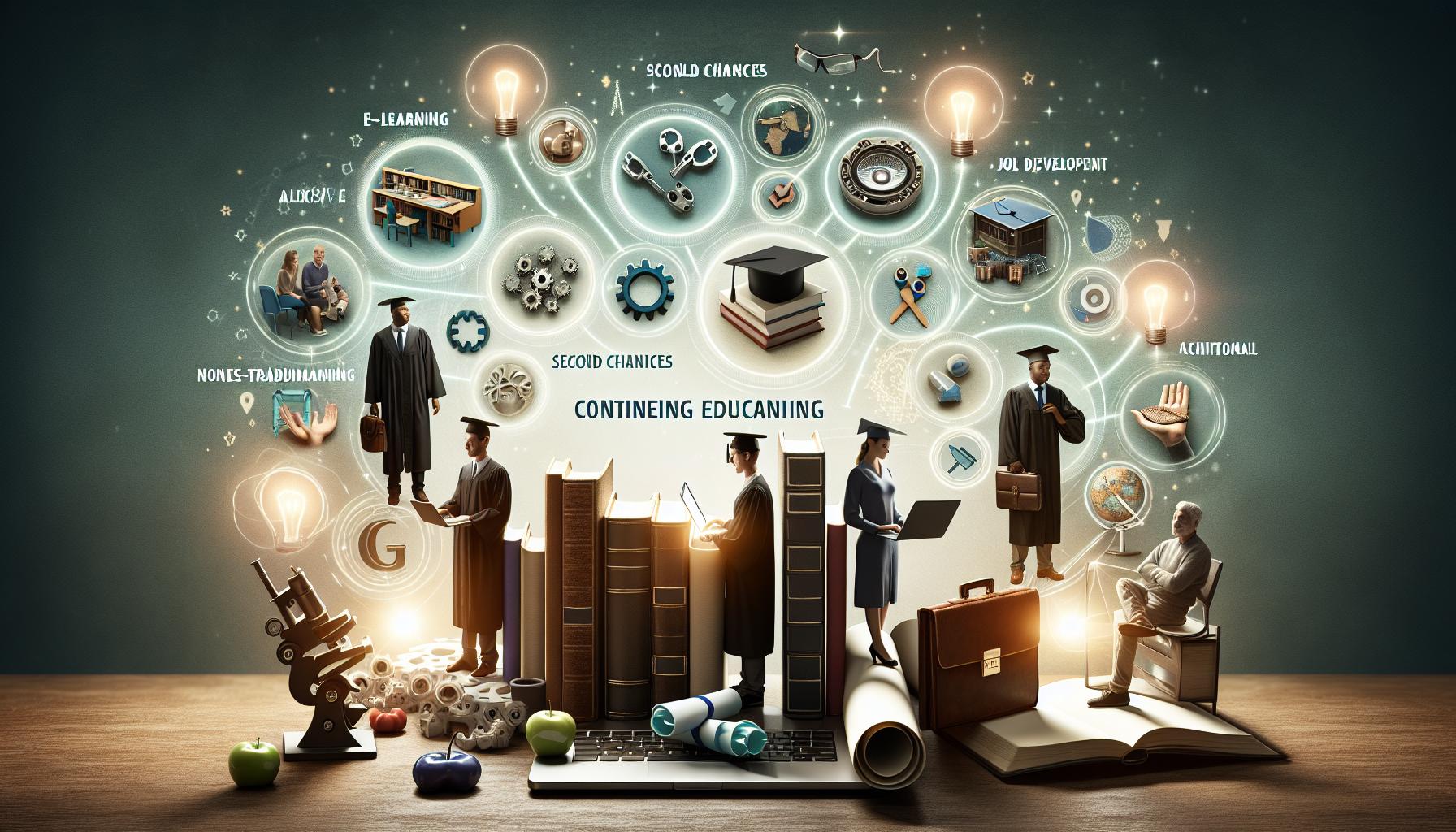
In an ever-evolving job market, the notion of education stretches far beyond the walls of traditional institutions. Lifelong learning is not just a buzzword; it’s a necessary strategy for anyone looking to succeed, particularly for college dropouts striving to carve out thriving careers. Studies show that individuals who engage in continuous education not only improve their job prospects but also enhance their problem-solving abilities and adaptability, crucial traits in today’s fast-paced work environment. Those who commit to ongoing learning can significantly boost their employability, especially in industries where technology and methodologies are constantly changing.
Leaning into lifelong learning offers several tangible advantages. First, it allows individuals to acquire skills relevant to current market demands. For instance, online platforms like Coursera or edX provide courses in trending fields such as data science, digital marketing, and project management, allowing learners to gain certifications that validate their skills and knowledge. As a result, these credentials can help dropouts demonstrate their commitment and capability to potential employers, often compensating for the lack of a formal degree. Additionally, ongoing education fosters a growth mindset, which encourages individuals to continuously seek knowledge and improvement, a trait that is highly valued by employers.
Moreover, lifelong learning can serve as a bridge to new career pathways. Many successful professionals have pivoted their careers due to new skills acquired through workshops, webinars, or self-study. For instance, a college dropout who initially studied liberal arts might decide to pursue coding through an intensive boot camp, thereby entering the lucrative tech industry. This journey not only provides new employment opportunities but can also reignite personal passions and lead to fulfilling work.
Finally, the supportive community aspects of continuing education should not be overlooked. Engaging in learning environments-online or in person-enables individuals to connect with like-minded peers, mentors, and industry professionals. This networking can lead to collaboration opportunities, job referrals, and invaluable insights. As college dropouts explore these educational avenues, they also broaden their professional networks, which is critical in finding mentorship and guidance. Ultimately, embracing lifelong learning paves the way for adaptability, resilience, and enhanced career satisfaction, proving that the quest for knowledge and self-improvement never truly ends.
Creating a Personalized Learning Journey

Crafting an educational experience that aligns with your goals, interests, and pace is crucial for anyone, especially for those who have decided to take a non-traditional path like dropping out of college. Personalizing your learning journey not only makes the process more engaging but also maximizes the effectiveness of the skills you acquire, enabling you to tailor your education to your career aspirations and personal growth.
To begin , start by conducting a self-assessment. Identify your strengths, weaknesses, and areas of interest. This introspection can help you pinpoint which skills you need to develop for your desired career path. For example, if you have a passion for technology but lack coding experience, focusing on programming courses can empower you to transition into a tech-related role. Take advantage of online resources, such as platforms like Coursera, edX, and Udacity, which offer customizable learning paths that allow you to pick and choose the courses that resonate with your career objectives.
Next, consider setting specific, measurable goals. Rather than merely stating you want to learn data analysis, outline a plan detailing how you will achieve that goal. For example: enroll in a foundational statistics course, complete a project using actual data, and receive feedback from peers or mentors. This structured approach not only keeps you accountable but also creates a sense of accomplishment as you reach smaller milestones on your way to larger achievements.
Another essential element of a personalized learning journey is community engagement. Seek out forums, study groups, and local meetups related to your field of interest. These connections can provide valuable support and motivation, while also exposing you to different perspectives and insights from fellow learners and professionals. Consider platforms like Meetup or LinkedIn to find groups where you can network, share experiences, and possibly collaborate on projects, effectively integrating your learning with real-world application.
Lastly, remain flexible and open to change. The nature of personalized learning is that it’s adaptable; should your interests shift or new opportunities arise, your learning path should evolve accordingly. Regularly reassess your goals and the relevance of your chosen courses, ensuring that your journey remains aligned with your personal and professional development. Embracing this fluidity can turn your educational experiences into powerful tools for success, regardless of your degree status.
FAQ
Q: What are the best courses for college dropouts seeking success?
A: The best courses for college dropouts include coding boot camps, digital marketing certifications, graphic design courses, and entrepreneurship programs. These courses offer practical skills that are in high demand and can lead to job opportunities or business ventures.
Q: How can college dropouts succeed without a degree?
A: College dropouts can succeed by gaining relevant skills through online courses, networking, and seeking internships. Building a strong portfolio and gaining hands-on experience can also significantly boost employability and credibility in the job market.
Q: What skills are most valuable for dropouts in today’s job market?
A: In today’s job market, valuable skills include digital literacy, coding, social media management, project management, and customer service. Developing expertise in these areas can enhance job prospects for college dropouts.
Q: Are online courses effective for career advancement?
A: Yes, online courses can be highly effective for career advancement. They provide flexibility and access to industry-recognized credentials that can enhance skills and improve employability. Many employers value skills acquired through reputable online platforms.
Q: Can dropouts become successful entrepreneurs?
A: Absolutely! Many successful entrepreneurs are college dropouts. By leveraging their skills, networking, and continuously learning, dropouts can start their own businesses and achieve significant success. Courses in entrepreneurship can provide essential knowledge and resources.
Q: What are some free resources for dropouts to learn new skills?
A: There are numerous free resources available, including platforms like Coursera, edX, Khan Academy, and YouTube. These platforms offer a range of courses in various subjects, enabling dropouts to learn essential skills without financial investment.
Q: How important is networking for college dropouts?
A: Networking is crucial for college dropouts as it opens doors to job opportunities, mentorship, and collaborations. Engaging in industry events, online forums, and social media can help build valuable connections that facilitate career growth.
Q: What alternatives are there to a traditional college education?
A: Alternatives to traditional college education include vocational training, apprenticeships, online courses, and certifications in specialized fields. These pathways can provide practical skills and direct entry into various careers without the need for a four-year degree.
Future Outlook
Thank you for exploring our guide on “Top Courses Empowering College Dropouts for Success.” Remember, the journey doesn’t end here; it’s just the beginning. By choosing to invest in your education through these transformative courses, you’re taking a decisive step toward unlocking your full potential. Embrace the possibilities that these educational opportunities offer to redefine your future.
Don’t wait-explore more about how to leverage your unique skills and experiences by visiting our detailed sections on entrepreneurship and skill-building courses. To stay updated on the latest resources and success stories, consider signing up for our newsletter. Join our community where your aspirations are valid, and let’s navigate the path to your success together. Your success story starts now-take action today!
We’d love to hear from you! Share your thoughts in the comments, and connect with fellow learners who are also on their transformative journeys. Keep exploring, and remember, there’s always more to learn and achieve.


