


In a world that often equates degree attainment with success, Caleb Cain’s journey as a college dropout seeks to illuminate an alternative path. Many young adults today grapple with the pressure of pursuing higher education, questioning its value in an ever-evolving job market. Cain’s story resonates with those who have felt lost in traditional educational structures, showing that navigating life outside academia can also lead to discovery and fulfillment.
As he searches for direction, readers will find inspiration in Cain’s candid reflections on the challenges and triumphs of forging a unique path. His experience speaks to the growing need for self-exploration beyond conventional routes, inviting those doubting the traditional educational model to consider their own journeys. Through this narrative, we aim to provide insight and encouragement to both dropouts and those contemplating their educational choices, emphasizing that success can be achieved through diverse avenues.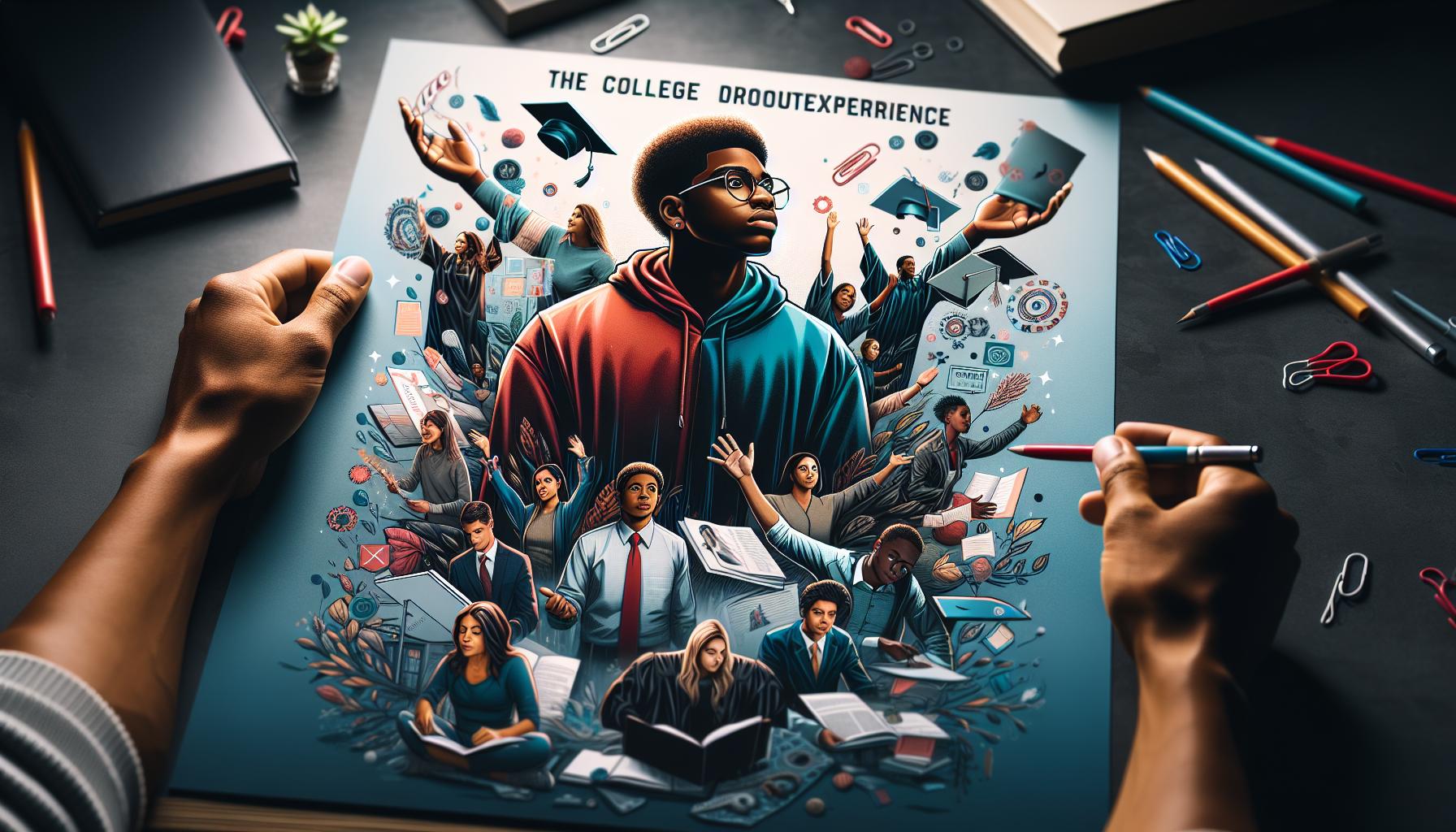
Caleb Cain’s Journey: Understanding the College Dropout Experience
Many students find themselves at a crossroads in higher education, feeling lost and uncertain about their future. Caleb Cain’s story encapsulates this struggle, as he made the profound decision to drop out of college in search of direction and personal fulfillment. His journey reflects a common experience among many young adults today who grapple with the pressure to conform to traditional educational pathways, yet yearn for alternative routes that align more closely with their passions and aspirations.
Caleb’s experience can be distilled into several key aspects that are crucial for understanding the dropout experience and navigating similar challenges. First, self-reflection played a significant role in his decision. He often found that the academic environment didn’t resonate with his personal interests, leading to feelings of dissatisfaction and confusion. This highlights the importance of assessing one’s own values and career goals before committing to an educational path. Students should ask themselves: What am I passionate about? What skills do I want to develop? Taking the time to explore these questions can lay the groundwork for more fulfilling educational choices.
Another essential factor in Caleb’s journey was the realization that success is not a one-size-fits-all concept. He discovered opportunities that were not tied to traditional educational achievements, such as entrepreneurship and skilled trades, which allowed him to harness his creativity and skills in meaningful ways. This underscores the importance of exploring alternative pathways that empower individuals to carve out their own unique career trajectories.
As Caleb navigated his new path, he also had to contend with the emotional impact of dropping out, which can often feel isolating. However, he found strength in building a support network comprising friends and mentors who understood his decision and encouraged his growth. This illustrates the necessity of community when making significant life changes, emphasizing that having a strong support system can foster resilience and cultivate a sense of belonging, no matter one’s educational background.
Finally, Caleb’s experience teaches us about the potential for redefining success in our careers and lives. His journey is a powerful reminder that for many, taking the unconventional route can ignite personal growth and open doors to opportunities previously unconsidered. By embracing their unique paths, students can transform their experiences from what may initially feel like setbacks into stepping stones toward fulfilling careers.
In conclusion, understanding Caleb Cain’s journey not only sheds light on the complexities surrounding the dropout experience but also encourages individuals to explore their passions, seek support, and redefine success on their own terms. Each dropout story can inspire others to look beyond traditional education and discover their true potential.
Finding Purpose: Why Some Students Leave College
Many students are confronted with the realization that traditional college education doesn’t fit their personal or career aspirations, prompting them to seek purpose elsewhere. This struggle is particularly evident in Caleb Cain’s narrative, which illustrates how the pressure to conform to societal expectations can lead to dissatisfaction and disconnection in an academic setting. For him, and many others, leaving college was not an admission of failure but rather a courageous step towards self-discovery and genuine fulfillment.
The search for purpose often begins with a profound sense of misalignment between personal goals and the educational environment. Students who find themselves disenchanted may realize that their passions lie outside the rigid frameworks of college curricula. This journey could involve re-evaluating what success truly means to them, leading to the exploration of non-traditional paths such as entrepreneurship, vocational training, or creative pursuits. Engaging in self-reflection is crucial-students might ask themselves pivotal questions like:
- What are my core interests and values?
- What skills do I truly want to hone, and in what environments can I best develop them?
- How can I harness my unique strengths to make a meaningful impact in the world?
Furthermore, exploration of alternative pathways becomes essential. Cain’s experience highlights that opportunities can flourish outside the traditional educational system. Whether through apprenticeships, internships, or self-directed projects, students can cultivate skills that align with their aspirations. This not only fosters a sense of agency but also builds confidence in their ability to navigate their career trajectories based on personal passions rather than prescribed norms.
Ultimately, the journey towards finding purpose may be daunting, but it is equally filled with potential. Discovering the courage to leave college can serve as a catalyst for personal growth and self-fulfillment. Every dropout story, including Caleb’s, is a testament to the fact that education is not confined to the walls of a university; rather, it can be a lifelong process of exploration and learning, leading to a fulfilling career built on passion and purpose.
Exploring Alternative Paths: Success Beyond Traditional Education
Many individuals experience the desire to pursue alternative paths beyond traditional education, often discovering that success can be defined in a myriad of ways. As exemplified in Caleb Cain’s journey, leaving college can be a powerful act of self-authenticity that leads to enriched opportunities. Through tales of creativity, entrepreneurship, and skill acquisition, countless dropouts have thrived outside academic settings, showcasing that an unorthodox pathway can be where true fulfillment and success lie.
The landscape of learning is vast and varied, providing myriad avenues for those seeking to shape their futures outside conventional college routes. Engaging with vocational programs is one such avenue; these paths offer practical skills that are not only marketable but also resonate with personal interests. For instance, a burgeoning chef may find greater satisfaction attending a culinary school, where hands-on experience transcends theoretical learning, allowing them to hone their craft effectively. Similarly, those interested in technology might flourish in coding boot camps, which can lead to jobs in the booming tech industry without requiring a four-year degree.
Another compelling alternative lies in the realm of entrepreneurship. Many college dropouts, such as notable figures like Steve Jobs and Mark Zuckerberg, embarked on journeys to create their companies. This path requires resourcefulness, passion, and a willingness to embrace risks. Building a business from the ground up can be daunting but rewarding, as it allows individuals to channel their unique visions and talents into something tangible. Aspiring entrepreneurs are encouraged to seek mentorship from established business owners, joining local business incubators or networking groups that provide insights and support.
However, navigating these alternative pathways does come with challenges. The lack of a traditional degree can foster questions of credibility in certain fields. To address this, developing a strong portfolio that demonstrates skills and experience, alongside networking in chosen industries, can greatly enhance credibility. Engaging in continuous self-education through online courses or workshops can also empower individuals, equipping them with the latest knowledge in their respective fields.
To support one another, building a strong community of like-minded individuals can create a nurturing environment where aspirations are validated, and collaboration is encouraged. Establishing connections with mentors, joining forums, or attending workshops can introduce invaluable resources and encouragement. In this fast-evolving world, the flexibility to learn and grow outside conventional education is not just feasible; it can also lead to profound personal and professional fulfillment. With determination and a willingness to explore different avenues, success awaits those ready to challenge the traditional narrative.
The Emotional Impact: Mental Health and Dropping Out
Leaving college can evoke a swirl of emotions, ranging from relief to distress, and it’s essential to acknowledge that each student’s journey is deeply personal. According to research, nearly 30% of students who drop out of college cite mental health struggles as a contributing factor to their decision. This statistic underscores the pressing need to address the emotional landscape that surrounds the act of leaving higher education, as exemplified in Caleb Cain’s journey.
Many students feel societal pressure to pursue a traditional degree, equating success with academic achievement. When that pathway seems unviable, it can lead to feelings of failure or confusion. However, it’s vital to reframe these emotions by recognizing that taking a different route isn’t a defeat but often a courageous step towards self-discovery. For instance, those who opt to leave college might experience newfound freedom and clarity, allowing them to explore passions that were overshadowed in an academic environment.
Understanding Mental Health Challenges
The decision to drop out can be influenced by various factors, including financial strain, lack of support, and high-stress environments. Many students battle anxiety and depression during their college years, which can exacerbate feelings of isolation and uncertainty once they leave. Emotional well-being is further impacted by the stigma attached to dropping out, often leading to shame or self-doubt.
To mitigate these challenges, students can benefit from developing strong coping strategies. Here are some practical approaches:
- Seek Professional Help: Engaging with a therapist or counselor can provide essential support, helping students navigate their feelings and create personalized coping mechanisms.
- Establish a Support Network: Finding friends or family who understand and support one’s decision can alleviate feelings of isolation. Building connections with other dropouts can also foster a sense of community.
- Practice Mindfulness: Techniques such as meditation, yoga, or journaling can help manage stress and promote emotional clarity.
- Create a Structured Daily Routine: Establishing a sense of purpose through daily activities can combat feelings of aimlessness and boost mental resilience.
Reframing the Dropout Experience
Caleb Cain’s story highlights an often-overlooked truth: the journey after dropping out can lead to profound personal growth. Many successful individuals who chose non-traditional routes report feelings of empowerment and purpose once they embraced their unique journey. For example, after leaving college, some have identified their true passions and gained skills that directly contribute to their career aspirations. It’s crucial to shift the narrative-the experience of leaving college may foster resilience, creativity, and adaptability, qualities that are incredibly valuable in today’s job market.
Navigating life post-college isn’t without its challenges, but understanding and addressing the emotional impacts can empower those who have taken the plunge. As the education landscape shifts, acknowledging and validating the experiences of dropouts becomes increasingly essential, fostering an environment where alternative pathways are not only accepted but celebrated.
Navigating Career Choices After College: Opportunities and Challenges
Making the decision to leave college can be daunting, but it often opens a new chapter filled with unique career opportunities and challenges. Contrary to popular belief, a college dropout can still forge a successful career path, especially when they take the time to explore their interests, develop practical skills, and approach job hunting with intention. Many individuals, including Caleb Cain, have found that their post-college experiences, though unconventional, can lead to a fulfilling professional life that aligns more closely with their passions.
One of the most significant benefits of stepping away from the traditional academic route is the ability to explore varied career options without the constraints of a specific major or degree. This exploration can be liberating; it allows individuals to tap into fields they may have never considered while in college. For instance, Caleb transitioned into tech, discovering a passion for web development through online courses and self-directed projects. Many dropouts find that flexible learning platforms provide practical skills that are directly applicable in today’s job market, enhancing their employability.
While opportunities abound, it’s crucial to recognize the inherent challenges that accompany a non-traditional career trajectory. A lack of a degree can sometimes lead to barriers in specific industries, particularly those that prioritize formal education. To combat these obstacles, aspiring professionals can:
- Build a Strong Portfolio: Showcasing skills through a portfolio of work can be more persuasive than a degree in creative fields, tech, and trades. Real-world examples of projects underscore practical ability.
- Network Effectively: Establishing connections within desired industries can provide insights and job leads. Attending workshops, meetups, and utilizing platforms like LinkedIn can facilitate meaningful professional relationships.
- Leverage Internships and Apprenticeships: Gaining experience through hands-on opportunities can lead to valuable skills and certifications, along with job placements. Many programs are designed to help individuals break into new fields without a degree.
- Further Education Through Alternatives: Online courses, boot camps, and certification programs are excellent ways to build specific expertise that is in high demand, enabling dropouts to compete effectively in the job market.
In navigating a career after leaving college, it’s essential for individuals to maintain a growth mindset. Challenges will arise, but they can be reframed as opportunities for learning and development. Just like Caleb discovered during his journey, success isn’t solely defined by traditional measures, but rather by the ability to adapt, learn, and pursue one’s passions with determination and resilience. By remaining proactive and open-minded, college dropouts can carve out fulfilling careers that reflect their unique strengths, proving that there is indeed life-and success-beyond the classroom.
Skill Development: Gaining Experience Outside the Classroom
Making the leap from college to the next phase of your life can feel overwhelming, especially when you’ve chosen to step away from the traditional academic path. However, one of the most empowering aspects of this decision is the opportunity to engage in skill development outside the classroom. The world is rich with resources and avenues for learning that can provide valuable experience and expertise, setting you on a path to success.
Many college dropouts, like Caleb Cain, have harnessed these opportunities to acquire practical skills that are highly sought after in today’s job market. Engaging in self-directed learning through online courses, workshops, and community programs can yield a diverse skill set that often surpasses what some traditional degree programs offer. The flexibility of online platforms allows individuals to focus on their interests at their own pace, turning curiosity into competence. Caleb found immense value in web development as he explored coding boot camps and enrolled in free online courses. This approach not only expanded his technical abilities but also built his confidence to tackle real-world projects and tasks.
To effectively gain experience outside of the conventional classroom setting, consider the following strategies:
- Participate in Workshops and Meetups: Local events and workshops offer a hands-on approach to learning industries you’re interested in. Engaging with professionals and peers can foster valuable connections.
- Explore Volunteer Opportunities: Organizations often welcome free assistance, allowing you to contribute while learning essential skills and gaining experience in a real-world setting.
- Consider Freelancing: Taking on freelance projects or gig work can provide exposure to various tasks and industries, all while building a portfolio that showcases your abilities to potential employers.
- Utilize Online Learning Platforms: Websites like Coursera, Udemy, and LinkedIn Learning offer courses that can enhance your skill set across various disciplines, often for minimal or no cost.
It’s important to embrace a mindset of continuous improvement, treating every experience as a stepping stone toward your goals. Whether you face challenges or setbacks, remember that each situation can impart lessons that contribute to your personal and professional growth. Caleb’s journey underscores this approach: by choosing to learn and adapt, he transformed his path from dropout to a thriving career in tech. The skills that you gain beyond the typical college setting can often unlock doors to opportunities you might not have considered, reinforcing that education is not limited to a classroom but can flourish anywhere you pursue it.
Building a Support Network: Community and Mentorship
Building a strong support network can be an indispensable factor in navigating life after leaving college, particularly for individuals like Caleb Cain who are seeking direction in their careers. When the traditional educational path is abandoned, the importance of connections with community members, mentors, and like-minded peers becomes paramount. These relationships can provide not only emotional support but also valuable resources and opportunities that pave the way for professional and personal development.
One of the most effective ways to cultivate a support network is to actively engage in local communities or online platforms related to your interests. Surrounding yourself with individuals who share similar passions can lead to collaborations, ideas, and advice that might not be evident when working alone. For instance, joining coding clubs, professional organizations, or volunteer groups can enrich your experience and expand your network. Participating in events like hackathons or industry meetups allows for the exchange of knowledge and fosters connections with mentors who can provide insight into navigating your chosen field.
- Seek Out Mentorship: Finding a mentor in your area of interest can drastically improve your understanding of the industry and prepare you for challenges. A mentor can share their experiences, help refine your skills, and guide you through complex decisions.
- Leverage Social Media: Platforms like LinkedIn or Twitter can be powerful tools for connecting with professionals in your field. Engaging with their content or reaching out for informational interviews can open doors to new opportunities.
- Participate in Online Communities: Join forums, discussion groups, or online workshops where you can connect with others who are in similar situations. These platforms often provide encouragement and ideas for skills to develop while sharing resources and strategies for success.
- Build Relationships Gradually: Forming genuine connections takes time. Attend events consistently, follow up with people you meet, and maintain an authentic presence to cultivate trust and credibility.
It is essential to remember that establishing a supportive community in one’s journey after dropping out of college is not solely about networking for career advancement-it’s also about emotional resilience. Many individuals face self-doubt and anxiety when diverging from traditional paths, and having a reliable support system can alleviate these feelings. Sharing struggles and triumphs with others who have walked a similar path reinforces the idea that alternative pathways can lead to success, thereby helping to change the stigma surrounding college dropouts.
Nurturing these connections not only enhances your prospects but also transforms your mindset. With a solid support network, the odyssey from college dropout to successful professional becomes less daunting, empowering individuals to embrace uncertainty with confidence and to view their unique journeys not as failures, but as opportunities for profound personal growth and a chance to carve out their distinct paths to success.
Success Stories: Inspiring College Dropout Transformations
The narrative of college dropouts is often framed around failure, but many individuals have turned their decision to leave college into a springboard for remarkable success. Take the case of Caleb Cain, whose journey exemplifies how stepping away from traditional educational paths can lead to fulfilling careers rooted in passion and purpose. Such transformations are not mere exceptions but rather stories of resilience and determination, illustrating that alternative routes can also lead to meaningful achievements.
One inspiring story is that of Emma Johnson, who left her university studies to pursue a career in graphic design. Initially uncertain about her decision, Emma dedicated herself to developing her skills through online courses and local workshops. She built a portfolio, engaged with the design community on platforms like Behance, and ultimately landed a job at a leading design agency. Today, Emma runs her own studio, helping startups develop their brands and visual identities. Her experience shows that practical skill acquisition and networking can often outweigh conventional degrees in creative fields.
Empowering Transformations
Many dropouts find their calling in vocational or skilled trades, often discovering more satisfaction in hands-on work than in academic settings. For instance, Mark Thompson dropped out of college to apprentice at a local auto repair shop. The hands-on experience not only honed his mechanical skills but also nurtured his entrepreneurial spirit. After a few years, he opened his own auto repair business, which has become a staple in his community. Mark’s story highlights how dedication to a craft can lead to personal and professional fulfillment, as well as financial independence.
Another powerful example comes from Sarah Li, who stepped away from her studies in biology to focus on her passion for cooking. While she initially faced skepticism from peers and family, Sarah pursued her culinary dreams by starting a blog to document her cooking journey and share recipes. With persistence and creativity, she grew a substantial following, leading to opportunities in food writing and recipe development. Now, Sarah is not only a successful content creator but also a sought-after consultant for restaurants looking to enhance their menus.
Key Takeaways for Aspiring Dropouts
Success after dropping out often requires a combination of self-belief, skill development, and proactive networking. Individuals contemplating this path can benefit from the following strategies:
- Identify Passion Projects: Focus on what truly excites you. Harnessing this passion can guide your learning and career choices.
- Develop Transferable Skills: Seek opportunities to gain real-world experience through internships, part-time jobs, or volunteer work in your field of interest.
- Network Actively: Engage with communities online and offline that resonate with your interests. Building relationships can uncover opportunities and mentors who can provide invaluable guidance.
- Embrace Lifelong Learning: Commit to continuous learning. Online courses, workshops, and certifications can enhance your skillset in ways not confined to traditional education.
These transformations remind us that choosing to leave college does not equate to giving up. Instead, it can be a courageous step toward crafting a fulfilling life aligned with one’s true interests. Each story of success reinforces the idea that potential exists beyond the walls of academia, and that with determination, creativity, and a supportive community, college dropouts have the power to redefine their paths and achieve their dreams.
Overcoming Stigma: Changing Perceptions of Dropouts
The decision to leave college is often met with stigma, framing dropouts as having failed in their educational pursuits. However, this perception fails to acknowledge the vast potential and unique journeys many individuals embark upon after stepping away from traditional academic paths. Caleb Cain’s story illustrates that leaving college can be a deliberate choice aimed at seeking direction, purpose, and the pursuit of passions that may not align with conventional educational structures. By changing the narrative around dropouts, we can foster a more inclusive understanding of success.
One crucial step in shifting perceptions is recognizing the diverse reasons students choose to leave college. Many dropouts do so not out of failure, but in search of opportunities that better suit their skills and aspirations. For instance, some students may opt to start businesses, pursue vocational training, or explore creative fields, where practical experience can be more beneficial than a degree. Promoting stories of those who have thrived after leaving college helps to validate their experiences and can inspire current students to consider non-traditional paths without fear of judgment.
To further combat stigma, it is essential for educators, policymakers, and communities to provide support for those who choose alternative routes. This includes creating mentorship programs that connect dropouts with successful professionals in their fields of interest, facilitating access to skill development resources, and ensuring that employment opportunities are available for those with non-traditional backgrounds. When society actively participates in nurturing these individuals’ growth, it embraces the idea that success can manifest in many forms, not just through a college degree.
Ultimately, overcoming the stigma associated with dropping out of college requires collective action to celebrate diverse educational journeys. By sharing success stories, offering support, and reframing the conversation around education and fulfillment, we can foster an environment where every individual’s path is recognized as valid and valuable. Those who leave college in search of better-fitting opportunities should be seen not as dropouts, but as pioneers charting their unique courses in the world.
Financial Implications: Managing Debt and Employment
Navigating the financial landscape after leaving college can be daunting, especially with the burden of student debt lingering in the background. It’s important for those who have chosen this path to understand that their financial situation can be managed strategically. Many dropouts find themselves grappling with conflicting emotions-relief from leaving a path that didn’t resonate and anxiety about how to make ends meet. By fostering a proactive approach to financial health, individuals can turn their situation into an opportunity for growth and self-discovery.
The first step in managing financial implications involves creating a comprehensive budget. This should take into account both current living expenses and potential income sources. Establishing an understanding of how much money is needed monthly encourages responsible spending and helps prioritize essential costs. Here are a few practical steps to consider:
- Track Income and Expenses: Utilize budgeting apps or simple spreadsheets to monitor where money comes from and where it goes.
- Secure Employment: Seek job opportunities that align with personal skills and interests, even if they are part-time or freelance roles. These can provide valuable experience and alleviate financial stress.
- Explore Vocational Training: Explore certifications or skill development programs that lead directly to employment in high-demand fields, offering a potential alternative to the more traditional academic avenues.
Additionally, addressing the issue of student debt is critical. Many dropouts may qualify for deferment or income-driven repayment plans if they have federal loans. It’s beneficial to reach out to loan servicers to discuss available options and understand the implications of each choice. One insightful approach could be to consider part-time work in areas related to future career aspirations, which not only helps to manage finances but also builds networks in the chosen field.
Furthermore, cultivating a community of support can also significantly enhance one’s ability to navigate this transition. Networking with former classmates, mentors, or professionals within desired industries can provide guidance and job leads, making it easier to find fulfilling employment. Programs that connect dropouts with successful professionals can be particularly beneficial, as they often lead to mentorship opportunities that are both inspiring and instructive.
Ultimately, while financial management after dropping out of college may pose challenges, it also presents numerous pathways toward personal and professional achievement. Embracing the situation with a strategic mindset allows individuals not only to mitigate financial pressures but also to chart a course for success on their own terms. By addressing both employment opportunities and debt management, dropouts can empower themselves and transform their choices into meaningful careers.
Resources for Dropouts: Tools and Programs for Success
Caleb Cain’s experience as a college dropout illustrates a critical juncture many face when traditional education paths don’t align with personal aspirations or career goals. Yet, for individuals transitioning from college, an abundance of resources is available to ensure their journey leads to fulfillment and success. Understanding where to find support, education, and community can significantly impact this transition.
Utilizing a mix of online platforms and local organizations, dropouts can tap into a variety of resources that cater specifically to their needs. For instance, online learning platforms such as Coursera and Udacity offer skill-focused courses across numerous fields. These platforms often partner with top universities and companies, providing relevant, credentialed experiences that can enhance employability. Likewise, coding bootcamps like General Assembly or Le Wagon deliver immersive experiences in high-demand roles, often leading to job placements directly after completion.
Support and Community Connections
Establishing a support network is fundamental for emotional and professional growth. Organizations such as Goodwill and Career OneStop not only offer job placement services but also host workshops on resume writing, interview skills, and career planning. Utilizing local community centers or libraries can provide access to career counseling resources. Additionally, consider reaching out to alumni networks or local meetups focused on career development-even in cities where you may not initially have connections, these groups can foster valuable mentorship opportunities.
Financial Resources
Financial literacy is critical for managing life after college, especially considering the burden of student debt. Non-profits like Credit Karma or National Foundation for Credit Counseling provide free resources and workshops aimed at budgeting and debt management. Furthermore, platforms such as YouNeedABudget (YNAB) not only help users track expenses but also teach proactive financial habits that lead to long-term stability.
In essence, while the decision to leave college can be overwhelming, the array of available resources highlights that success is attainable on various paths. With commitment and the right support, individuals like Caleb Cain can reclaim their narratives, cultivate new skills, and step confidently into promising futures without the confines of traditional education.
The Future of Education: Trends Shaping Alternative Learning Paths
As the landscape of education continues to evolve, many individuals like Caleb Cain find themselves navigating through options that transcend traditional college routes. Today, alternative learning paths are not only a solution for those who leave college but are becoming a viable choice for many who seek skill-based education that aligns with their personal and professional aspirations. With the rapid advancement of technology and changing job markets, understanding the trends shaping these alternatives is essential for shaping a successful future.
One of the most significant shifts is the rise of micro-credentialing. These are short, focused programs that certify specific skills or competencies, allowing individuals to build their resumes in a more targeted way. Unlike traditional degrees that may require several years of study across various subjects, micro-credentials enable learners to demonstrate their expertise in particular areas such as digital marketing, project management, or data analysis. Institutions and platforms like Coursera, Udacity, and edX are now offering these credentials through partnerships with industry leaders, ensuring that the skills learned are relevant to current market demands.
Another trend reshaping educational pathways is the emphasis on experiential learning. This approach integrates practical activities into the learning experience, fostering a broader understanding of complex concepts through real-world applications. Programs such as apprenticeships, internships, and cooperative education give students hands-on experience and often lead directly to job opportunities. Companies increasingly recognize the value of practical experience over formal education, which is a pivotal consideration for those choosing to step away from traditional college education.
Accessible Online Learning
The expansion of online learning platforms has democratized education, providing anyone, anywhere, the opportunity to access resources that match their learning needs and styles. With options like Khan Academy for foundational skills, Skillshare for creative courses, and specialized platforms like Codecademy for coding, learners can tailor their education to fit their timeline and lifestyle. The ability to learn at one’s own pace and revisit challenging topics is invaluable for those who may not thrive in traditional classroom settings.
The Role of Community and Networking
Beyond courses and credentials, community remains an essential pillar for those pursuing alternative education paths. Networking opportunities through platforms like LinkedIn or local tech meetups allow dropouts to forge connections, seek mentorship, and discover job openings that may not be advertised widely. Joining skill-specific or interest-based groups can not only bolster professional connections but also lend a sense of belonging, which is crucial for individuals building a new identity outside traditional educational structures.
By embracing these trends, individuals like Caleb can carve out fulfilling careers that resonate with their passions and skills. Whether through digital platforms, practical applications, or community engagement, the future of education offers diverse avenues for success, highlighting that dropping out does not equate to giving up. With the right resources and determination, the journey can transform into a powerful narrative of resilience and achievement.
Frequently Asked Questions
Q: What is “Caleb Cain: A College Dropout’s Search for Direction” about?
A: “Caleb Cain: A College Dropout’s Search for Direction” is a personal narrative that explores the journey of Caleb Cain, who, after dropping out of college, seeks meaning and direction in his life. The narrative emphasizes the challenges and opportunities faced by many who leave traditional educational paths, highlighting alternative routes to success.
Q: Why did Caleb Cain drop out of college?
A: Caleb Cain left college due to a lack of direction and feeling disconnected from the traditional educational system. His experience reflects the struggles that many students face when the conventional academic path does not align with their personal goals and aspirations.
Q: What lessons can be learned from Caleb Cain’s story?
A: Caleb Cain’s story teaches the importance of self-discovery and the value of pursuing one’s passions. It emphasizes that success can come from various paths and that taking time to find one’s direction is a valid and often necessary choice for personal growth.
Q: How can one find direction after dropping out of college?
A: To find direction after dropping out, individuals should explore their interests through self-reflection, seek mentorship, and engage in practical experiences such as internships or volunteer work. Networking with like-minded individuals can also open up new opportunities and insights.
Q: What alternative options exist for college dropouts?
A: College dropouts can pursue vocational training, online courses, entrepreneurship, or apprenticeships. Exploring fields that align with their interests can provide fulfilling career paths outside traditional academic environments.
Q: How does Caleb Cain’s experience reflect broader trends in education?
A: Caleb Cain’s experience highlights growing concerns about the relevance of traditional education in a rapidly changing job market. Many individuals are questioning the value of a college degree, leading to increased interest in alternative education paths and self-directed learning.
Q: What resources can help college dropouts in their search for direction?
A: College dropouts can benefit from resources such as career counseling services, online learning platforms, and professional networking events. Books and podcasts focused on entrepreneurship and personal development can also provide guidance and inspiration.
Q: How does societal perception affect college dropouts like Caleb Cain?
A: Societal perception often stigmatizes college dropouts, viewing them as failures. However, Caleb Cain’s narrative challenges this notion by showcasing their potential to succeed through alternative paths, encouraging a shift in the conversation around educational choices.
Wrapping Up
As we wrap up the inspiring journey of “Caleb Cain: A College Dropout’s Search for Direction,” it’s essential to reflect on the powerful lessons learned along the way. Caleb’s story reminds us that dropping out of college can be just the beginning of a transformative path. Embrace your unique journey, and remember that finding purpose outside traditional education can lead to fulfilling and successful careers. Whether you’re seeking clarity in your own direction or are curious about alternative education methods, know that you have the potential to thrive.
Ready to take the next step? Dive deeper into our resources on career exploration and personal development, and don’t miss our comprehensive guide on thriving without a degree. If you’re grappling with doubts about your choices, we encourage you to join our newsletter for ongoing support and insights that empower you to make informed decisions on your path. Your journey is valid, and every step forward counts. Let’s keep the conversation going-share your thoughts in the comments and connect with others navigating similar experiences. Together, we can turn uncertainty into opportunity.
Get our latest guides, news, and insights highlighted in your Google Search & AI Overviews.


